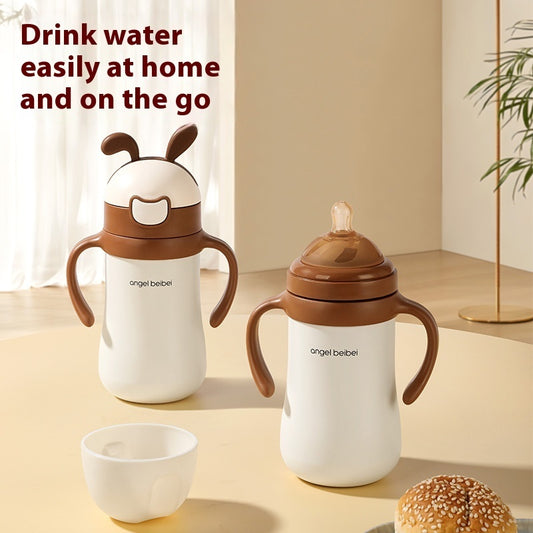
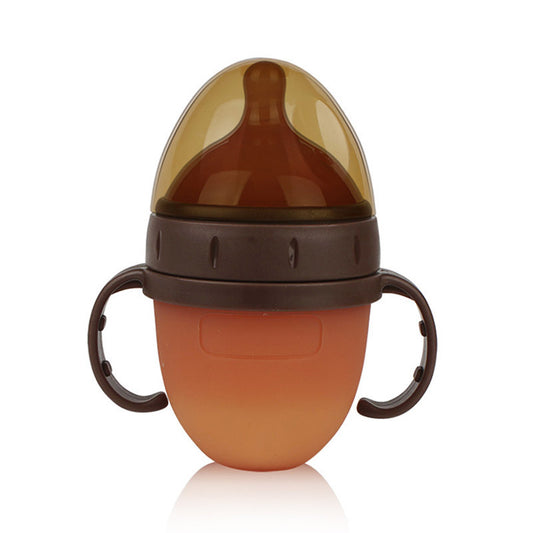
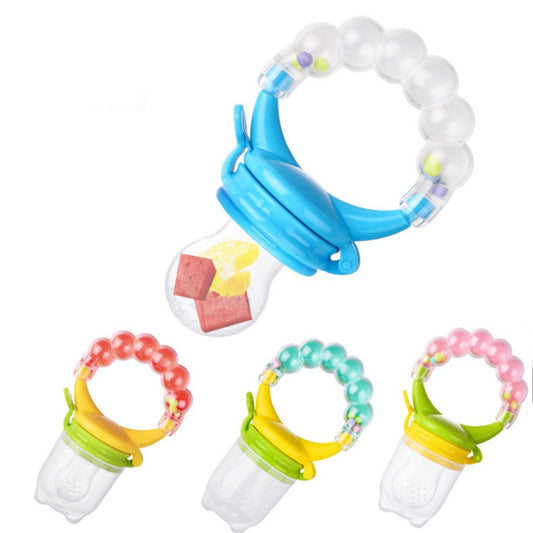
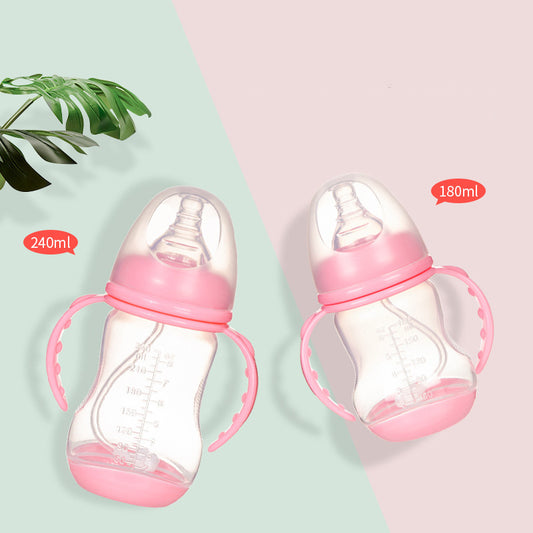
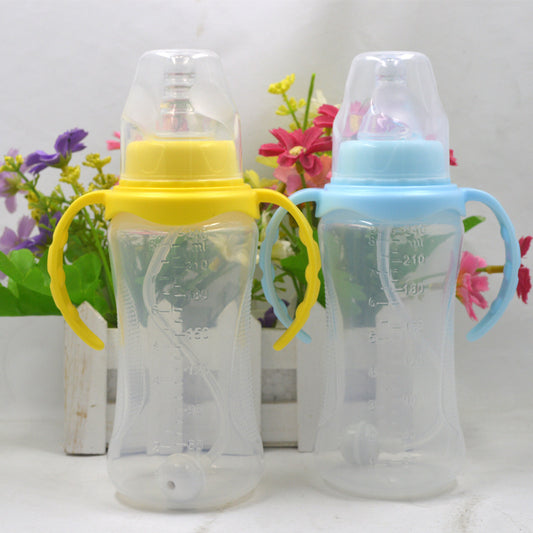
Navigating combination feeding—the practice of both breastfeeding and bottle feeding your baby—requires the right tools to ensure a smooth transition and happy feeding experience for both you and your little one. Our carefully curated collection of the best baby bottles for combination feeding features designs specifically chosen to support this flexible feeding approach. Each bottle in this collection offers wide-neck designs with breast-shaped nipples that minimize nipple confusion, anti-colic technology to reduce gas and discomfort, and premium BPA-free materials for your baby's safety. Whether you're supplementing with pumped breast milk or formula, returning to work, or sharing feeding responsibilities, these bottles make switching between breast and bottle seamless. From antibacterial silicone bottles with nano silver technology to premium stainless steel options with ergonomic handles, our collection includes innovative solutions that grow with your baby from newborn through toddlerhood. Discover bottles ranging from 180ML to 240ML capacities, specialized feeders for introducing solids, and anti-colic designs that pediatricians trust—all engineered to support your unique combination feeding journey while maintaining your breastfeeding relationship.
What should you look for in baby bottles for combination feeding?
When selecting baby bottles for combination feeding, prioritize wide-neck designs with breast-shaped nipples that mimic natural breastfeeding to reduce nipple confusion. Anti-colic features are essential, as they minimize air intake and reduce gas, reflux, and fussiness—common concerns when babies alternate between breast and bottle. Look for BPA-free materials such as PP plastic, medical-grade silicone, or stainless steel that are safe, durable, and easy to clean. The bottle should have a slow-flow nipple initially to match breastfeeding pace, preventing your baby from preferring the faster bottle flow. Consider bottles with ergonomic designs or handles that allow your baby to eventually hold the bottle independently. Temperature resistance and dishwasher-safe features make daily sterilization convenient for busy parents managing both breastfeeding and bottle feeding schedules.
Frequently Asked Questions
What is the 4 4 4 rule for breastfeeding?
The 4 4 4 rule for breastfeeding refers to a guideline some lactation consultants use: feed your baby at least 4 times during the day, 4 times during the night, and ensure each feeding session lasts at least 4 minutes on each breast. This rule helps establish and maintain milk supply, especially important when combination feeding. However, it's essential to understand that this is just one approach—every baby and mother's needs are different. When combination feeding, maintaining regular breastfeeding sessions according to a schedule like this can help preserve your milk supply while supplementing with bottles. The key is consistency in breast stimulation and milk removal, whether through nursing or pumping, to signal your body to continue producing adequate milk.
What is the #1 pediatrician recommended baby bottle?
While pediatricians don't universally endorse a single brand, they consistently recommend bottles with specific features: anti-colic venting systems, BPA-free materials, wide-neck designs with breast-shaped nipples, and slow-flow options for newborns. Pediatricians emphasize that the 'best' bottle depends on your baby's individual needs and feeding style. For combination feeding, doctors typically recommend bottles that closely mimic breastfeeding to prevent nipple confusion, such as wide-mouth bottles with soft silicone nipples. They also stress the importance of anti-colic features to reduce gas and reflux. Our collection includes bottles meeting these pediatrician-recommended criteria, including antibacterial silicone options with nano silver technology and premium stainless steel bottles that offer superior hygiene and temperature control.
Can I use the same bottle for multiple feedings?
You should not use the same unwashed bottle for multiple feedings. Once your baby has drunk from a bottle, bacteria from their saliva begins multiplying in the remaining milk, making it unsafe to reuse without thorough cleaning. After each feeding, bottles should be rinsed immediately and properly washed with hot soapy water or placed in the dishwasher. For newborns and infants under 3 months, immunocompromised babies, or premature infants, sterilization after each use is recommended. For older, healthy babies, sterilization once daily may be sufficient, but washing after every use is mandatory. If your baby doesn't finish a bottle, any leftover breast milk should be used within 2 hours or discarded, while formula should be discarded after 1 hour. Having multiple bottles on hand makes combination feeding more convenient, allowing you to rotate clean bottles throughout the day.
How to combo feed without losing supply?
Maintaining milk supply during combination feeding requires strategic planning and consistency. First, establish breastfeeding before introducing bottles—ideally waiting 4-6 weeks to ensure your supply is well-established. When you do introduce bottles, replace breastfeeding sessions with pumping sessions to maintain breast stimulation and milk removal, which signals your body to continue producing milk. Try to breastfeed during times when your supply is highest, typically in the morning, and use bottles for other feedings. Aim to breastfeed or pump at least 8-12 times per 24 hours initially, gradually adjusting as needed. Use paced bottle feeding techniques that mimic breastfeeding's slower flow, preventing your baby from preferring the bottle. Stay hydrated, eat nutritiously, and consider power pumping sessions (pumping for 10 minutes, resting 10 minutes, repeated for an hour) once daily to boost supply. Most importantly, monitor your baby's output and weight gain, and consult a lactation consultant who can create a personalized combination feeding plan that maintains your milk supply while meeting your family's needs.
How many bottles do I need for combination feeding?
For combination feeding, having 4-6 bottles is typically sufficient to maintain a comfortable rotation without constant washing. This allows you to have clean bottles ready while others are being washed or sterilized. The exact number depends on how many bottle feedings you plan daily versus breastfeeding sessions. If you're doing 50/50 combination feeding (half breast, half bottle), 4-6 bottles in the 180-240ML range work well. Consider having bottles in different sizes—smaller 180ML bottles for newborns or supplemental feedings, and larger 240ML bottles as your baby grows. Having variety in your bottle collection also helps you identify which designs your baby prefers. Include different nipple flow rates as your baby develops, starting with slow-flow nipples that match breastfeeding pace. With proper cleaning routines, this quantity provides enough bottles to get through a busy day without running out while managing both breastfeeding and bottle feeding schedules.