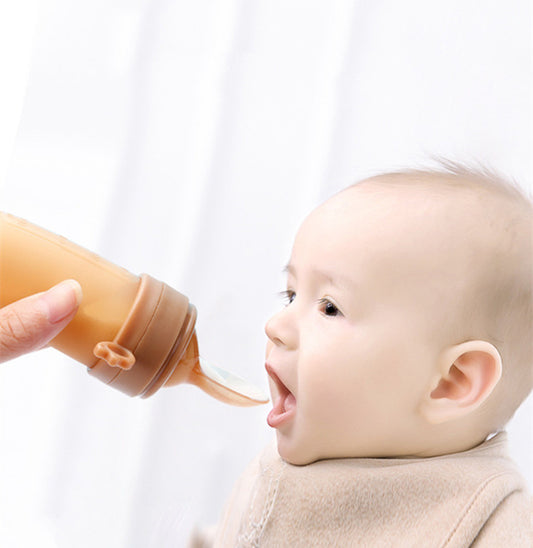
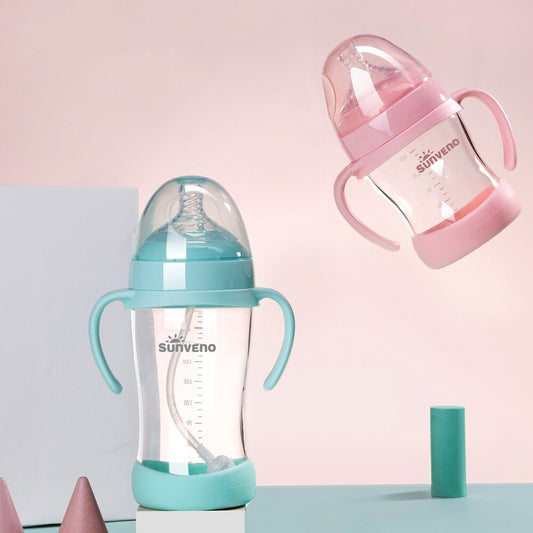
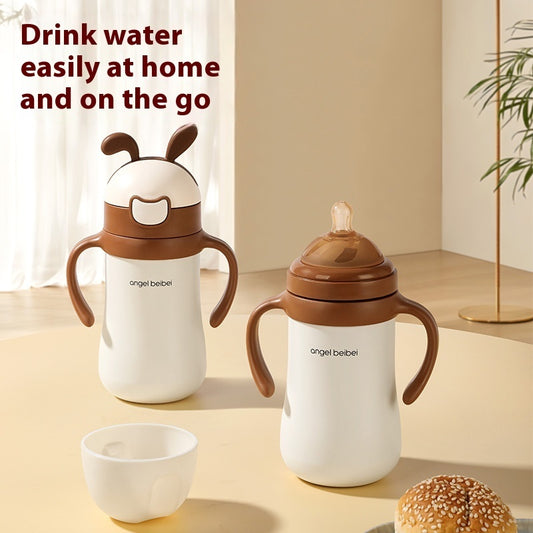
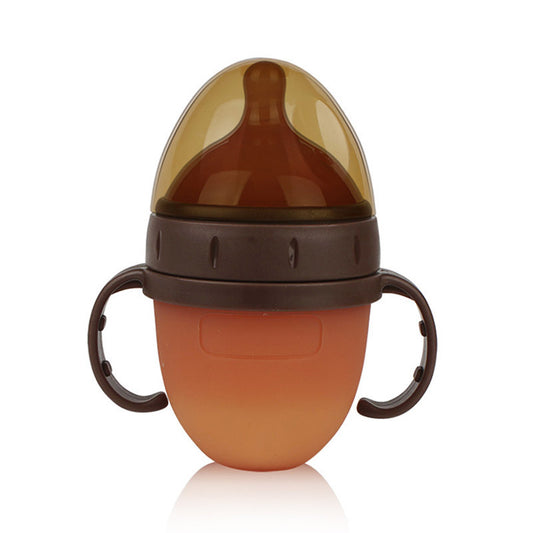
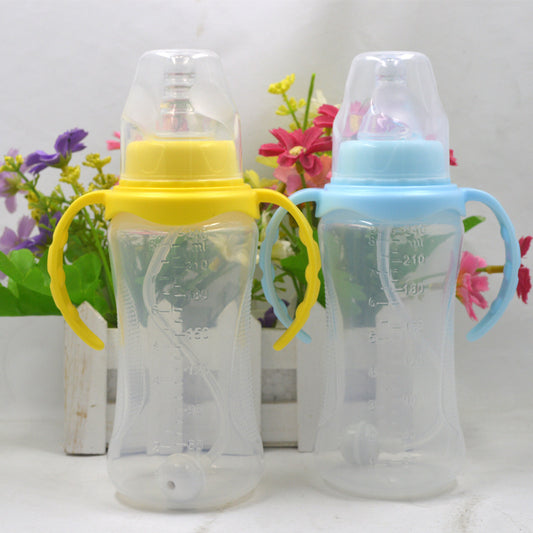
Choosing the best baby bottle for your newborn is one of the most important decisions you'll make as a new parent. The right bottle can make feeding time peaceful and comfortable, while the wrong choice may lead to colic, gas, feeding refusal, or nipple confusion for breastfed babies. Our carefully curated collection features premium baby bottles designed specifically for newborns, with anti-colic technology, BPA-free materials, and breast-like nipple designs that support healthy feeding development. Whether you're exclusively bottle-feeding, supplementing breastfeeding, or transitioning between the two, you'll find safe, pediatrician-approved options that prioritize your baby's health and comfort. From antibacterial silicone bottles with nano silver technology to stainless steel options that maintain perfect milk temperature, each bottle in this collection has been selected for its quality, safety features, and proven performance. We understand that every baby is unique, which is why we offer diverse materials and designs—including wide-neck bottles for easy cleaning, anti-colic systems that reduce gas by up to 80%, and ergonomic designs that grow with your baby. Explore our collection to find the perfect feeding solution that gives you confidence and gives your newborn the gentle, comfortable feeding experience they deserve.
What should you look for in baby bottles for newborns?
When selecting baby bottles for newborns, prioritize safety, functionality, and comfort. First, ensure the bottle is made from BPA-free materials like medical-grade silicone, food-grade stainless steel, or PP plastic to protect your baby from harmful chemicals. Anti-colic features are essential—look for vented designs or special valve systems that reduce air intake during feeding, minimizing gas, spit-up, and discomfort. Wide-neck bottles are easier to clean and fill, while also accommodating breast-like nipples that support natural latching. The nipple flow rate matters significantly for newborns; slow-flow nipples prevent overwhelming your baby and reduce the risk of choking. Consider bottles with ergonomic designs or handles that make feeding easier as your baby grows. Finally, choose bottles that are dishwasher-safe and have minimal parts for convenient cleaning and sterilization.
Frequently Asked Questions
Which baby bottle is best for newborns?
The best baby bottle for newborns combines anti-colic technology, BPA-free materials, and breast-like nipple design. Wide-neck bottles with slow-flow nipples are ideal for newborns as they mimic natural breastfeeding and reduce air intake. The Aurelia Antibacterial Silicone Baby Bottle with nano silver technology offers superior hygiene, while the Babsy BPA-Free Anti-Colic Bottle provides excellent gas reduction. For breastfed babies, choose bottles with wide, soft nipples that encourage proper latching. Stainless steel options like the Babivo Premium bottle offer durability and temperature retention. Ultimately, the best bottle depends on your baby's feeding style—some babies prefer softer silicone, while others adapt well to traditional plastic bottles. Many parents find success by trying 2-3 different types to see which their newborn accepts most readily.
What is the #1 pediatrician recommended baby bottle?
Pediatricians consistently recommend baby bottles with proven anti-colic systems and BPA-free construction. While specific brand recommendations vary, doctors emphasize features over brands: anti-colic venting systems that reduce gas and reflux, medical-grade silicone or stainless steel materials that don't contain harmful chemicals, and slow-flow nipples appropriate for newborn feeding pace. Bottles with clinical testing showing reduced colic symptoms are frequently endorsed. The key characteristics pediatricians look for include: wide-neck designs for easy cleaning (reducing bacterial growth), minimal parts to simplify sterilization, and breast-like nipple shapes that support proper oral development. Anti-colic bottles with internal venting systems are particularly recommended for babies who show signs of gas discomfort, excessive spit-up, or fussiness during feeding. Always consult your pediatrician about your specific baby's needs, especially if you're dealing with reflux, allergies, or feeding difficulties.
What are the healthiest baby bottles?
The healthiest baby bottles are made from non-toxic, BPA-free materials that won't leach chemicals into your baby's milk or formula. Medical-grade silicone bottles are considered the gold standard—they're non-porous, resist bacterial growth, and remain stable at high temperatures without releasing harmful substances. Stainless steel bottles like the Babivo Premium option offer exceptional durability and zero chemical leaching, making them ideal for health-conscious parents. Food-grade PP plastic bottles that are BPA, BPS, and phthalate-free are also safe when properly maintained. Antibacterial silicone bottles with nano silver technology, such as the Aurelia bottle, provide an extra layer of protection against harmful bacteria. Avoid bottles containing BPA, PVC, or phthalates, and replace plastic bottles every 4-6 months as they can develop micro-scratches that harbor bacteria. Glass bottles are also healthy but pose breakage risks. The healthiest choice combines safe materials with proper cleaning practices—sterilize regularly and inspect bottles for wear or damage.
What baby bottle is closest to the breast?
Baby bottles closest to the breast feature wide, soft, breast-shaped nipples with slow flow rates that mimic natural breastfeeding. Wide-neck bottles with silicone nipples that have a wide base encourage babies to open their mouths wide, just as they do when latching onto the breast. The nipple should be flexible and elongate during feeding, similar to how a mother's nipple responds. Anti-colic bottles with natural flow control allow babies to pace their feeding, preventing the fast flow that can cause nipple confusion. Look for bottles with nipples that require active sucking rather than passive drinking—this maintains the work required during breastfeeding and helps preserve breastfeeding skills. The Aurelia Antibacterial Silicone and Babsy BPA-Free bottles both feature wide-mouth designs with breast-like nipples suitable for combination feeding. Bottles marketed as supporting breastfeeding typically have textured nipples that feel more natural and venting systems that allow babies to control milk flow. For best results, use the slowest nipple flow available and hold your baby in an upright position during bottle feeding to closely replicate the breastfeeding experience.
How often should you replace baby bottles and nipples?
Baby bottle replacement schedules depend on the material and condition. Plastic bottles should be replaced every 4-6 months or sooner if you notice scratches, cloudiness, or discoloration, as damaged plastic can harbor bacteria and may leach chemicals. Silicone bottles last longer—typically 6-12 months—but should be replaced if they develop tears, become sticky, or show signs of deterioration. Stainless steel bottles can last for years with proper care, though you should still inspect them regularly for dents or damage to interior coatings. Nipples wear out faster than bottles and should be replaced every 2-3 months, or immediately if you see cracks, thinning, or changes in texture. Signs it's time to replace a nipple include: milk flowing too quickly (indicating the hole has enlarged), discoloration, stickiness, or your baby showing frustration during feeding. Always have backup bottles and multiple nipples on hand. After each feeding, inspect bottles and nipples for damage, and replace any components that don't pass visual inspection. Proper sterilization extends bottle life, but over-sterilization can accelerate wear, so follow manufacturer guidelines carefully.