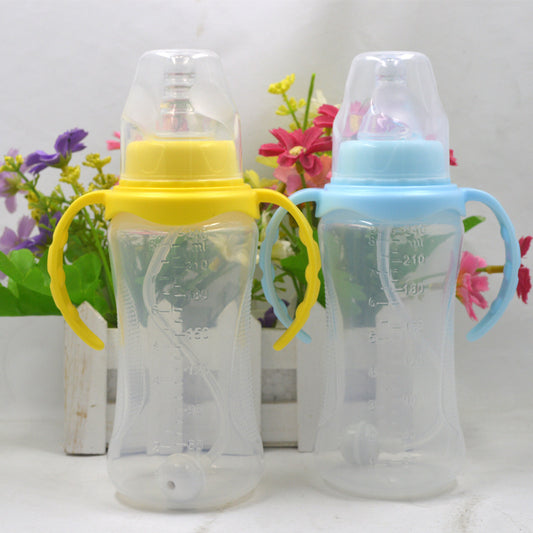
Collection: Best Baby Bottles for Gas and Reflux - BabyBottle Store
Finding the right baby bottle can make all the difference when your little one struggles with gas, colic, or reflux. Our carefully curated collection of anti-colic baby bottles features advanced venting systems and thoughtful designs that help reduce air intake during feeding, minimizing discomfort and fussiness. Each bottle in this collection is crafted from safe, BPA-free materials—including medical-grade silicone and durable PP plastic—ensuring your baby's health is never compromised. From wide-neck designs that promote natural latching to antibacterial silicone bottles with nano silver technology, we've selected products that address the root causes of feeding-related digestive issues. Whether you're a new parent dealing with a colicky newborn or looking to transition your baby to bottles that offer better comfort, our collection includes everything you need: anti-colic bottles with various capacities, specialized cleaning tools like 360° rotating bottle brushes for thorough sanitation, and complementary feeding accessories. These bottles are designed to work with your baby's natural feeding rhythm, featuring slow-flow nipples and ergonomic shapes that make feeding time peaceful for both baby and parent. Discover the perfect bottle solution that will help your baby feed comfortably, digest easily, and sleep more soundly.
Key Takeaways
- Anti-colic bottles with advanced venting systems can significantly reduce gas, fussiness, and reflux symptoms in babies
- Wide-neck bottles with slow-flow nipples help babies control milk flow, preventing air ingestion and reducing spit-up
- BPA-free silicone and PP plastic bottles offer safe, durable options that are easy to clean and maintain
- Proper feeding angles (45 degrees) combined with the right bottle design can dramatically improve your baby's comfort during and after feeding
What should you look for in anti-colic baby bottles for gas and reflux?
When selecting baby bottles to combat gas and reflux, prioritize bottles with advanced anti-colic venting systems that prevent air from mixing with milk during feeding. Look for wide-neck designs that allow for easier cleaning and more natural latch, reducing the amount of air babies swallow. The material matters significantly—choose BPA-free options made from medical-grade silicone or PP plastic that won't leach harmful chemicals. Nipple design is equally crucial; opt for slow-flow, orthodontic nipples that mimic natural breastfeeding and allow babies to control the milk flow rate. Additionally, consider bottles with angled designs that help keep the nipple full of milk rather than air, and ensure all components are dishwasher-safe and easy to assemble for proper sterilization between uses.
How do you choose the right anti-colic bottle for your baby's specific needs?
- Assess your baby's feeding style: Fast eaters may need bottles with internal venting systems, while slower feeders benefit from simple wide-neck designs with appropriate nipple flow rates
- Consider material preferences: Silicone bottles offer flexibility and temperature resistance, while PP plastic bottles are lightweight and shatter-resistant for travel
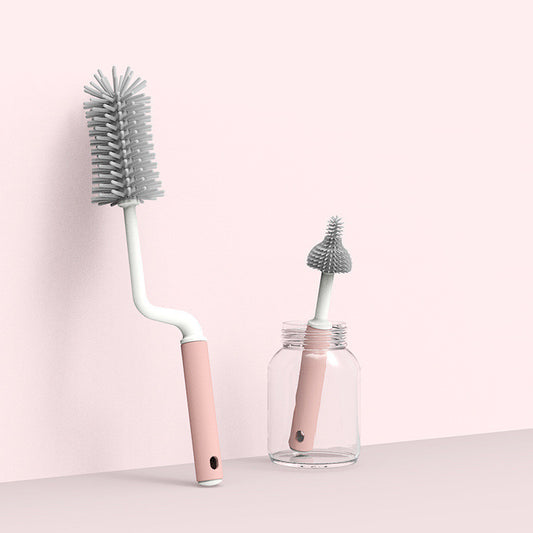
- Evaluate cleaning convenience: Choose bottles with fewer parts and wide openings that accommodate bottle brushes, especially 360° rotating cleaners for thorough nipple sanitation
- Test nipple compatibility: Ensure the bottle system allows for different nipple flow rates as your baby grows, and that replacement parts are readily available
- Factor in special features: Antibacterial properties like nano silver technology can provide extra protection, while transparent materials let you monitor milk levels during feeding
Frequently Asked Questions
What are the best bottles for gassy babies?
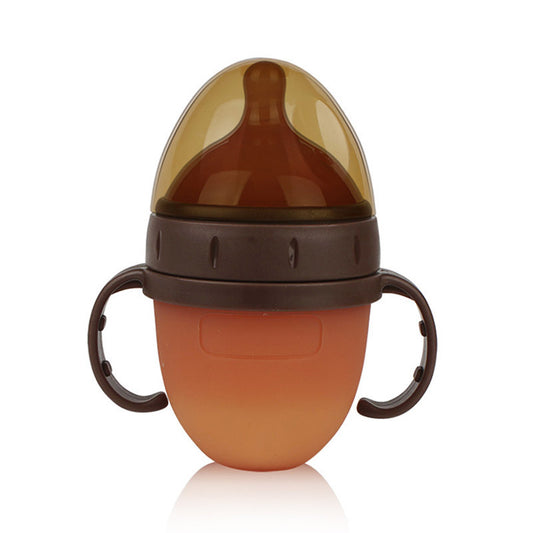
The best bottles for gassy babies feature anti-colic venting systems that prevent air from mixing with milk during feeding. Wide-neck bottles with slow-flow nipples are particularly effective because they allow babies to create a better seal and control milk flow, reducing air ingestion. Look for bottles made from BPA-free materials like medical-grade silicone or PP plastic with internal venting mechanisms. The 240ML BPA-Free Anti-Colic Baby Bottle with wide-neck design is an excellent choice, as it combines proper venting with an easy-to-clean structure. Bottles with angled designs also help by keeping the nipple consistently filled with milk rather than air. For optimal results, pair your anti-colic bottle with proper feeding techniques—hold your baby at a 45-degree angle and allow frequent burping breaks during feeding sessions.
What is the #1 pediatrician recommended baby bottle?
While pediatricians don't universally endorse a single brand, they consistently recommend bottles with specific features: anti-colic venting systems, BPA-free construction, wide-neck designs for easy cleaning, and orthodontic nipples that support natural oral development. Pediatricians typically suggest bottles that reduce air intake and accommodate different flow rates as babies grow. Silicone bottles with antibacterial properties, such as those featuring nano silver technology like the Aurelia Antibacterial Silicone Baby Bottle, are increasingly recommended for their safety and hygiene benefits. The key is choosing bottles that minimize gas and colic symptoms while being easy for parents to clean thoroughly. Pediatricians also emphasize that the 'best' bottle often depends on individual baby preferences—what works for one infant may not work for another, so parents may need to try different options to find the perfect fit for their baby's feeding style.
Which bottle is good for gas?
Bottles specifically designed to reduce gas feature anti-colic valve systems that vent air away from the milk, preventing babies from swallowing excess air during feeding. Wide-neck bottles with slow-flow, vented nipples are particularly effective for gas prevention. The best anti-gas bottles include those made from flexible silicone that allow gentle squeezing to control flow, and those with internal straw-like venting systems that direct air to the back of the bottle. PP plastic wide-neck bottles with anti-colic features offer a rigid structure that maintains consistent venting performance. When selecting a bottle for gas, ensure it has minimal parts for easy cleaning—bacteria buildup can also contribute to digestive discomfort. Pair your anti-gas bottle with a quality bottle brush like the 360° Rotating Nipple Cleaner to maintain optimal hygiene. Remember that feeding position matters too; always feed your baby in an upright or semi-upright position to help prevent gas and reflux.
Do Dr. Brown bottles reduce gas?
Dr. Brown's bottles are well-known for their internal vent system designed to reduce gas, but they're not the only effective option available. The principle behind their design—preventing air from mixing with milk through a venting mechanism—is what truly matters for gas reduction. Many anti-colic bottles now incorporate similar or improved venting technologies without the complexity of multiple parts. Wide-neck anti-colic bottles with integrated venting systems can be equally effective while being easier to clean and assemble. The key is choosing bottles with proper venting that prevents vacuum pressure and air bubbles in the milk. Whether you choose Dr. Brown's or alternative anti-colic bottles like the 240ML BPA-Free Anti-Colic Baby Bottle, success depends on using the correct nipple flow rate for your baby's age, maintaining proper feeding angles, and ensuring thorough cleaning between uses. Some parents find that simpler anti-colic designs work just as well while requiring less maintenance and fewer replacement parts.
How often should I clean anti-colic baby bottles?
Anti-colic baby bottles should be thoroughly cleaned after every single feeding to prevent bacterial growth and maintain the effectiveness of venting systems. Immediately after feeding, rinse the bottle with warm water, then disassemble all parts including nipples, venting components, and caps. Wash each piece with hot, soapy water using a dedicated bottle brush—a 360° Rotating Nipple Cleaner is particularly effective for reaching all surfaces of complex anti-colic nipples and vents. For babies under three months, immunocompromised, or born prematurely, sterilize bottles daily by boiling, using a steam sterilizer, or running them through a dishwasher's sanitize cycle. After three months, regular washing is typically sufficient unless your pediatrician recommends otherwise. Pay special attention to venting systems, as milk residue can clog these mechanisms and reduce their anti-colic effectiveness. Allow all components to air dry completely on a clean drying rack before reassembling. Replace nipples every two to three months or sooner if you notice any signs of wear, discoloration, or damage.
Sources
- 4 Best Anti-Colic Bottles of 2025, Tested and Reviewed — www.thebump.com
- The Best Baby Bottles and Bottle Brush - The New York Times — www.nytimes.com
- 9 Best Baby Bottles, Parent-Tested and Baby-Approved - Nanobébé — www.nanobebe.com
- 9 Best Baby Bottles, According to Experts and Parents — www.goodhousekeeping.com
- Newborn Baby & Mother Care: Tips & Guide | Looking for recommendations for bottles for reflux/ gassy babies please | Facebook — www.facebook.com