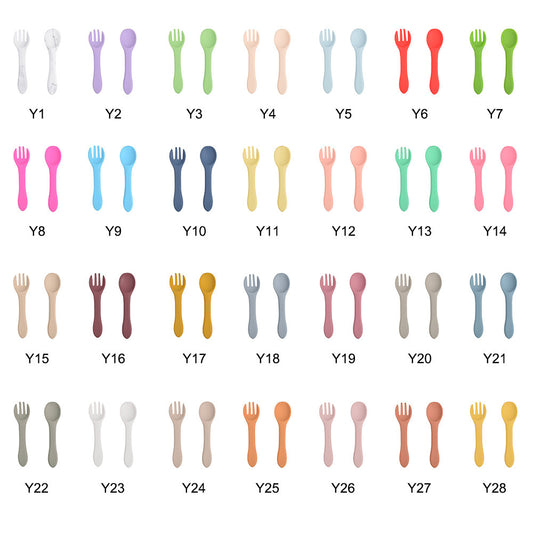
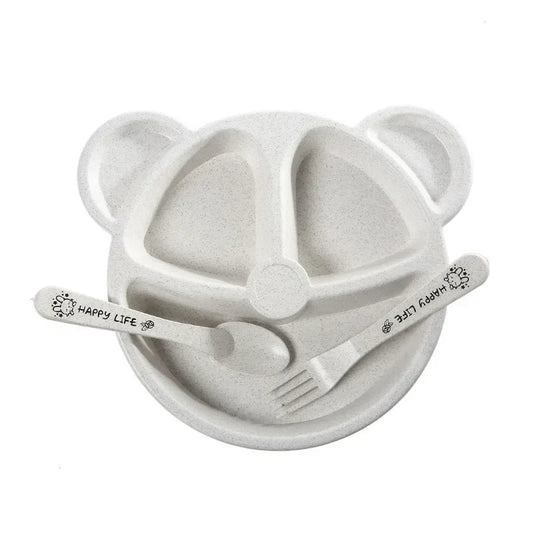
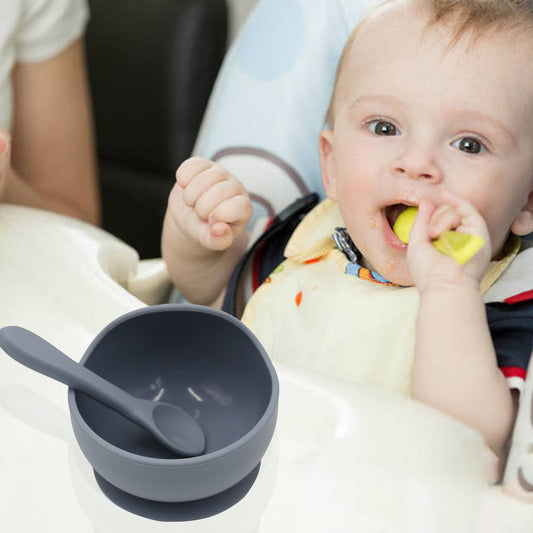
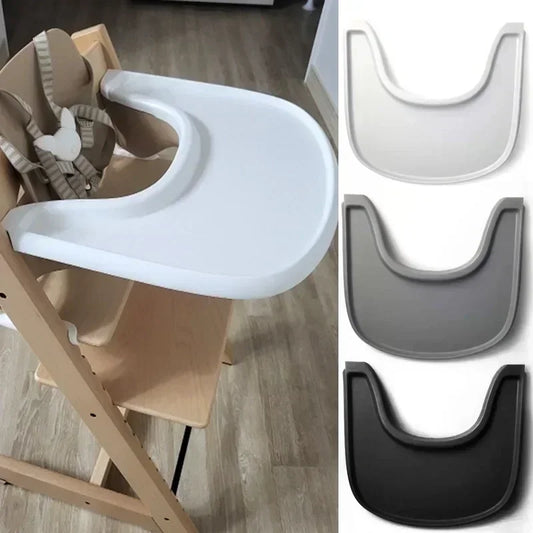
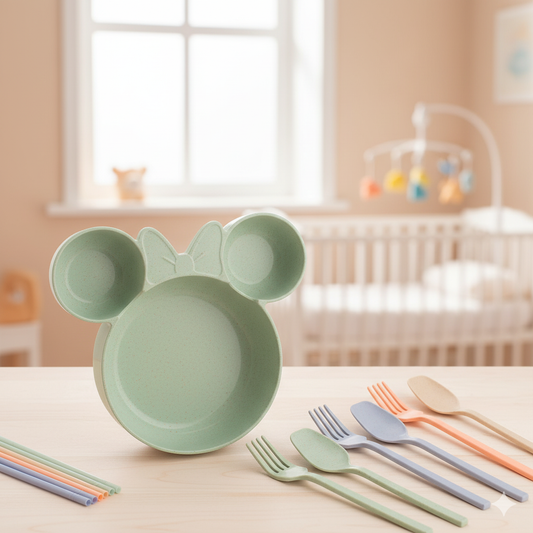
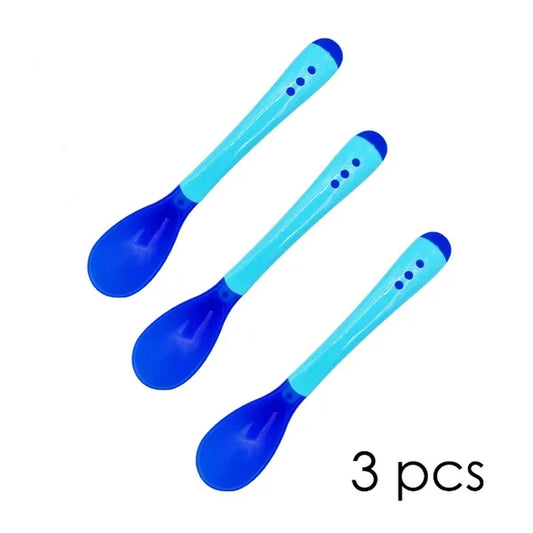
Starting solids at 6 months is an exciting milestone that requires the right feeding tools to ensure safety, success, and enjoyment for both baby and parents. Our carefully curated collection of the best baby feeding bowls for 6-month-olds features premium options designed specifically for infants beginning their solid food journey. Each product in this collection prioritizes food-grade, BPA-free materials like silicone, wheat straw, and polypropylene that meet the highest safety standards for infant feeding. Whether you're practicing baby-led weaning or starting with purees, you'll find bowls with essential features like strong suction bases to prevent spills, divided compartments for introducing multiple foods, and microwave-safe designs for convenient meal preparation. Our selection includes complete feeding sets with appropriately sized utensils, sealed storage options for meal prep and on-the-go feeding, and high chair-compatible designs that integrate seamlessly into your feeding routine. From eco-friendly wheat straw sets with adorable cartoon designs to professional-grade silicone divided plates with non-slip grids, every product supports your baby's developing motor skills while making mealtimes less messy and more enjoyable. Explore our collection to find the perfect feeding bowls that will grow with your baby through this important developmental stage.
What should you look for in baby feeding bowls for 6-month-olds?
When selecting baby feeding bowls for 6-month-olds, prioritize food-grade materials like BPA-free silicone, wheat straw, or polypropylene (PP) that are certified safe for infant use. The bowls should be appropriately sized (60-100ML capacity) for small portions as babies begin solid foods. Look for features that support this developmental stage: suction bases or non-slip designs to prevent tipping as babies learn hand-eye coordination, divided compartments to introduce multiple foods and identify potential allergens, and rounded edges that are gentle on sensitive gums. Microwave and dishwasher-safe options significantly reduce preparation time for busy parents. Temperature-resistant materials are essential since babies are sensitive to hot foods. Additionally, consider sets that include appropriately sized utensils with soft tips designed for emerging teeth and delicate mouths, supporting the transition from purees to self-feeding.
Frequently Asked Questions
What is the safest material for baby bowls?
The safest materials for baby bowls are food-grade silicone, stainless steel, and natural wheat straw composites. Food-grade silicone is highly recommended because it's BPA-free, phthalate-free, and doesn't leach chemicals even when heated. It's soft, durable, and gentle on baby's gums. Wheat straw is an eco-friendly alternative made from natural agricultural byproducts, offering a biodegradable option that's also BPA-free and food-safe. Polypropylene (PP) plastic labeled as food-grade and BPA-free is also considered safe when used according to manufacturer guidelines. Avoid bowls with unknown plastics, those containing BPA, PVC, or phthalates, and painted or decorated bowls where the finish might chip into food. Always look for certifications like FDA approval or CPSIA compliance. Regardless of material, ensure bowls are specifically designed for infant feeding and can withstand repeated washing and sterilization without degrading.
What age should I stop using suction plates?
Most children can transition away from suction plates between 18-24 months, though this varies significantly based on individual development. Suction plates are most beneficial from 6-18 months when babies are learning self-feeding and lack the motor control to prevent spills. You can begin phasing them out when your toddler demonstrates consistent ability to eat without deliberately throwing or tipping plates, shows improved hand-eye coordination, and can sit calmly during most meals. However, many parents continue using suction plates until age 2-3 for convenience, especially for messier foods like pasta or soups. There's no harm in extended use if it reduces mealtime stress. Gradually introduce regular plates during calmer meals while keeping suction options available for challenging foods or particularly energetic days. The transition should be child-led and stress-free, as some children naturally become more careful eaters earlier than others.
How many times a day should I feed solids to a 6 month old?
At 6 months, start with one solid feeding per day for the first 2-3 weeks, then gradually increase to 2-3 times daily by 7-8 months. Initially, offer solids once daily at a time when your baby is alert and happy, not overly hungry or tired—many parents choose mid-morning or early afternoon. Begin with 1-2 tablespoons of single-ingredient purees or soft foods, maintaining breast milk or formula as the primary nutrition source (babies should still consume 24-32 ounces of milk daily). After your baby adjusts to eating solids and shows interest, add a second meal, then a third. By 8-9 months, most babies eat three small meals daily plus snacks. Remember that at 6 months, solids are primarily for practice and exploration, not nutrition—the goal is exposure to textures, tastes, and self-feeding skills. Follow your baby's hunger cues, never force feeding, and consult your pediatrician about your specific baby's needs, especially if there are growth concerns or feeding difficulties.
What is the best suction bowl for babies?
The best suction bowls for babies feature strong, food-grade silicone suction bases that adhere firmly to smooth surfaces, divided compartments for food variety, and are made from safe, non-toxic materials. Top characteristics include a wide suction base that creates strong adhesion to high chair trays and tables, making them difficult for babies to lift or tip. Food-grade silicone bowls are often superior because the entire bowl, including the suction base, is one flexible piece without gaps where food can hide. Look for bowls with divided sections (typically 2-3 compartments) that allow you to serve proteins, vegetables, and fruits separately, helping identify potential allergens and encouraging varied eating. The bowl should be shallow enough for babies to reach food easily but deep enough to contain messes. Microwave and dishwasher-safe options are practical for busy parents. The BabaKo Food-Grade Silicone Baby Divided Plate with non-slip grid design exemplifies these features, offering strong suction, safe materials, and practical compartments ideal for 6-month-olds beginning their solid food journey.
Can 6-month-old babies use regular bowls or do they need special feeding bowls?
Six-month-old babies benefit significantly from specialized feeding bowls rather than regular bowls due to their developmental stage and safety needs. Special baby feeding bowls are designed with features regular bowls lack: suction bases or non-slip bottoms that prevent tipping during early self-feeding attempts, appropriate portion sizes (60-100ML) for tiny appetites, materials specifically tested for infant safety and mouthing, and rounded edges gentle on developing gums. Regular bowls are typically too large, too heavy, easily tipped, and may contain materials not tested for infant use or repeated sterilization. At 6 months, babies are developing hand-eye coordination and will grab, bang, and explore bowls as much as eat from them—specialized bowls withstand this exploration safely. Additionally, baby bowls often feature bright colors and designs that engage visual interest, encouraging positive associations with mealtime. While you could technically use regular small bowls, specialized feeding bowls significantly reduce frustration, mess, and safety concerns during this crucial developmental window when babies are learning fundamental eating skills.