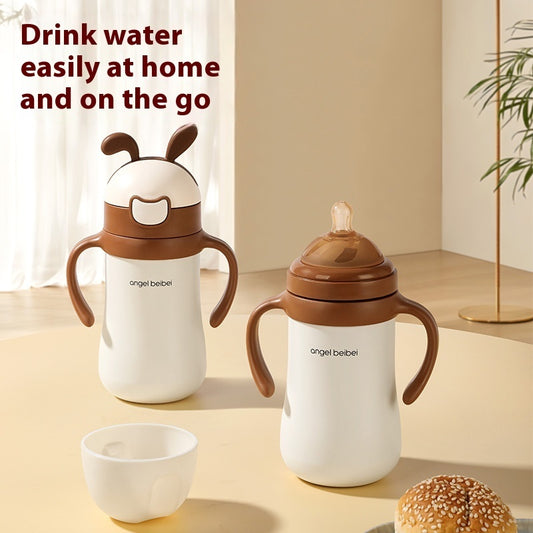
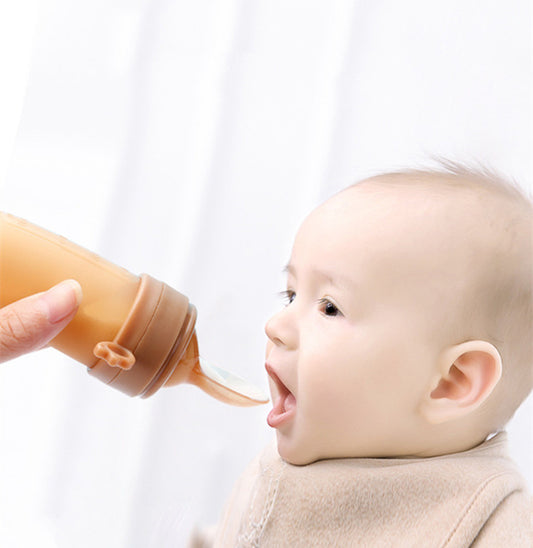
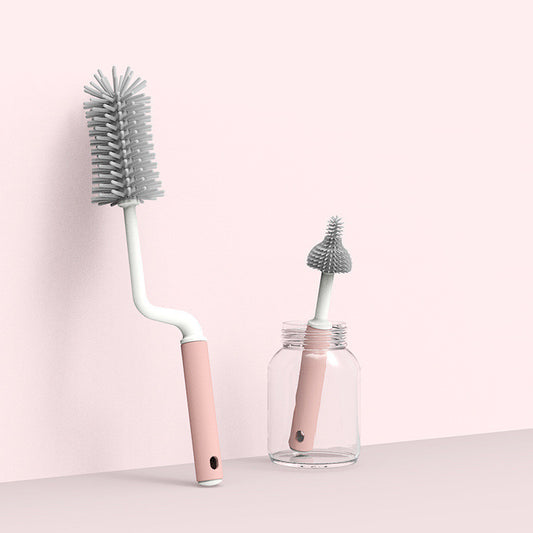
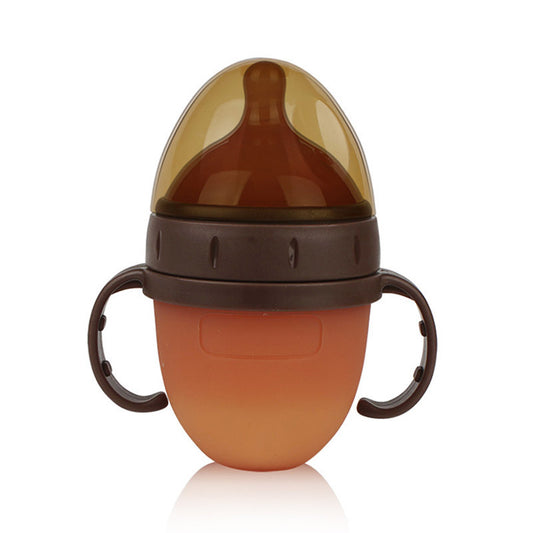
Choosing the right baby bottle is one of the most important decisions new parents make, and when it comes to your newborn's health and safety, BPA-free bottles are non-negotiable. Our carefully curated collection of the best BPA-free baby bottles for newborns features only the safest, highest-quality feeding solutions made from medical-grade silicone, food-grade stainless steel, and certified BPA-free PP plastic. Each bottle in this collection has been selected for its superior safety standards, innovative anti-colic features, and ease of cleaning—because we understand that newborn feeding should be safe, comfortable, and stress-free for both baby and parents. Whether you're looking for antibacterial silicone bottles with nano silver technology, durable stainless steel options with ergonomic handles, or wide-neck anti-colic designs that reduce gas and fussiness, you'll find pediatrician-approved solutions that support your baby's healthy development. From traditional bottles to innovative feeding systems with spoon attachments for introducing solids later, our collection grows with your baby while maintaining the highest safety standards. Explore our selection and discover why thousands of parents trust these BPA-free bottles for their newborns' most critical early months.
What should you look for in BPA-free baby bottles for newborns?
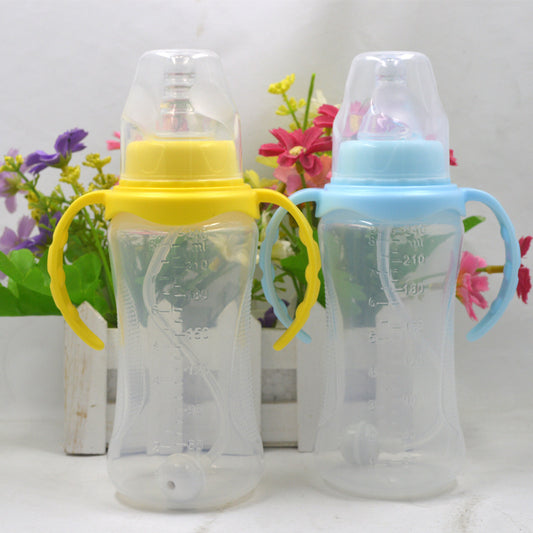
When selecting BPA-free baby bottles for your newborn, prioritize materials that are certified safe and non-toxic, such as medical-grade silicone, food-grade stainless steel, or PP (polypropylene) plastic. Look for wide-neck designs that facilitate easy cleaning and reduce bacterial buildup. Anti-colic features like venting systems are essential as they minimize air intake during feeding, reducing gas, spit-up, and fussiness in newborns. The nipple should have a slow flow rate appropriate for newborns (typically 0-3 months) to prevent choking and mimic natural breastfeeding pace. Additional features like antibacterial properties, ergonomic shapes for tiny hands, and compatibility with standard bottle warmers and sterilizers add significant value. Always verify that bottles are free from BPA, phthalates, PVC, and lead for complete peace of mind.
Frequently Asked Questions
What are the safest bottles for newborns?
The safest bottles for newborns are those made from medical-grade silicone, food-grade stainless steel, or BPA-free PP plastic that meet international safety standards. Silicone bottles with antibacterial properties, such as those featuring nano silver technology, provide an extra layer of protection against harmful bacteria. Look for bottles specifically designed with anti-colic features to reduce air intake and digestive discomfort. Wide-neck designs are safer because they're easier to clean thoroughly, preventing bacterial growth. Always choose bottles from reputable manufacturers that provide third-party safety certifications and are free from BPA, phthalates, PVC, and lead. The safest option ultimately depends on your baby's needs, but prioritize materials that can withstand repeated sterilization without degrading or leaching chemicals.
Are BPA-free baby bottles really safe?
Yes, BPA-free baby bottles are significantly safer than bottles containing BPA (Bisphenol A), a chemical that can disrupt hormones and affect infant development. However, 'BPA-free' alone isn't enough—you should verify that bottles are also free from other harmful chemicals like phthalates, PVC, and BPS (a BPA substitute that may pose similar risks). High-quality BPA-free bottles made from medical-grade silicone, food-grade stainless steel, or certified PP plastic are rigorously tested and considered safe by pediatricians worldwide. The key is choosing bottles from reputable brands that provide transparency about their materials and manufacturing processes. Look for certifications from organizations like FDA, CPSIA, or European safety standards. When used and cleaned properly according to manufacturer instructions, BPA-free bottles provide a safe feeding option for your newborn.
What is the #1 pediatrician recommended baby bottle?
While pediatricians don't universally endorse a single brand, they consistently recommend bottles with specific features: BPA-free materials (preferably silicone or stainless steel), anti-colic venting systems, and wide-neck designs for easy cleaning. Many pediatricians favor bottles with slow-flow nipples that mimic breastfeeding, helping babies transition between breast and bottle. Bottles with antibacterial properties, such as those featuring nano silver technology or medical-grade silicone, receive high marks for hygiene. The 'best' bottle varies by individual baby needs—some newborns do better with certain nipple shapes or anti-colic systems. Pediatricians typically recommend trying a few different bottles to see which your baby prefers, while prioritizing safety features like BPA-free construction, easy sterilization capability, and age-appropriate nipple flow rates. Always consult your pediatrician about your specific baby's feeding needs.
What is the healthiest material for baby bottles?
Medical-grade silicone is widely considered the healthiest material for baby bottles due to its natural antibacterial properties, chemical stability, and ability to withstand high temperatures without degrading. Silicone doesn't leach chemicals even when heated, making it ideal for repeated sterilization. Food-grade stainless steel is another excellent healthy option, offering durability and zero chemical leaching, though it lacks transparency to see milk levels. BPA-free PP (polypropylene) plastic, when manufactured to high standards, is also considered safe and healthy, though it may need replacement more frequently than silicone or steel. The healthiest choice depends on your priorities: silicone offers the best combination of safety and functionality, stainless steel provides maximum durability and eco-friendliness, while quality PP plastic offers affordability without compromising safety. Avoid bottles with unknown plastics, recycling codes 3, 6, or 7 (which may contain harmful chemicals), and always choose certified BPA-free, phthalate-free options.
How often should I replace BPA-free baby bottles?
The replacement schedule for BPA-free baby bottles depends on the material and usage. Silicone bottles can last 6-12 months or longer with proper care, as they resist wear and maintain their integrity through repeated sterilization. Stainless steel bottles can last several years and often serve multiple children, making them the most durable option. PP plastic bottles should be replaced every 4-6 months or sooner if you notice cloudiness, cracks, discoloration, or scratches, as these can harbor bacteria. Regardless of material, replace any bottle immediately if you see damage, warping, or degradation. Nipples wear out faster than bottles and should be replaced every 2-3 months or when you notice thinning, discoloration, or changes in flow rate. Regular inspection is key—check bottles before each use for signs of wear. Proper cleaning and sterilization extend bottle life, but safety should always take precedence over cost savings when deciding whether to replace feeding equipment.