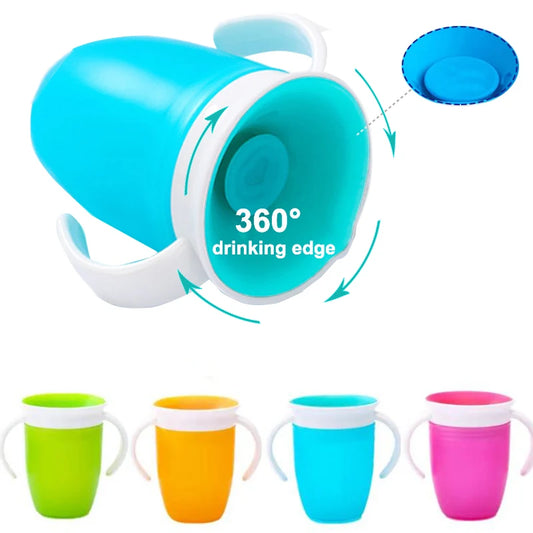
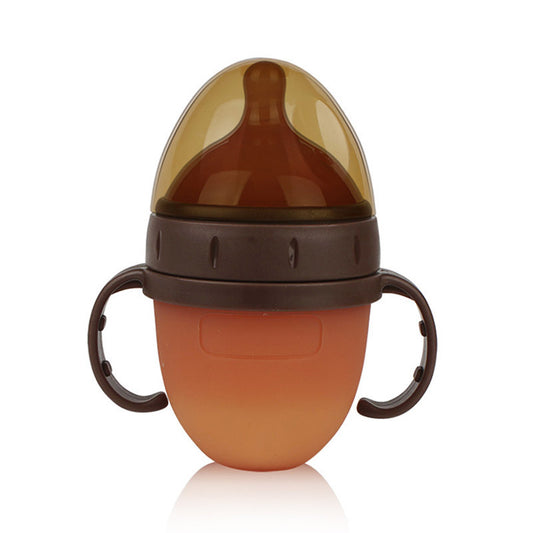
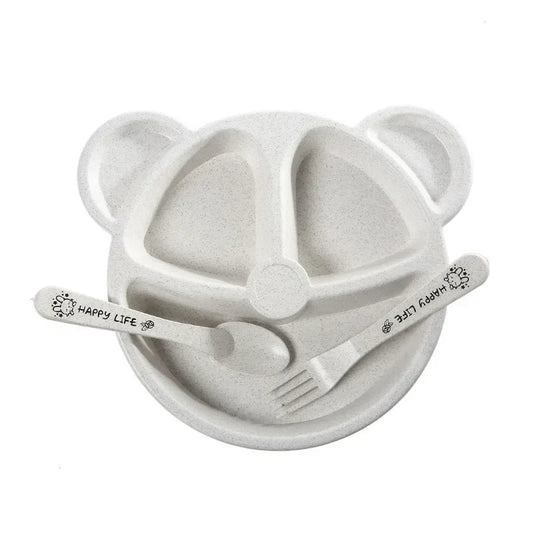
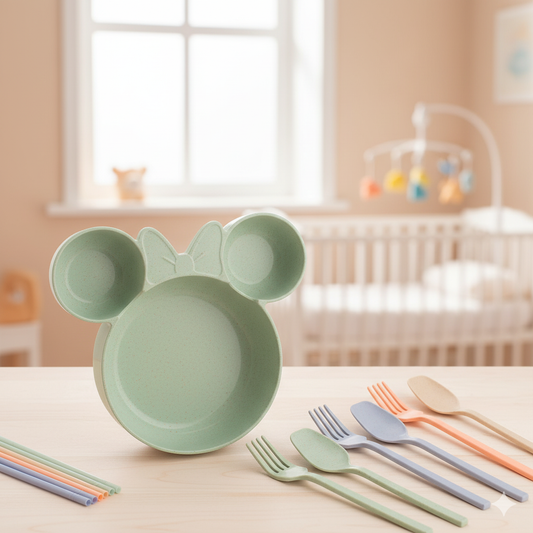
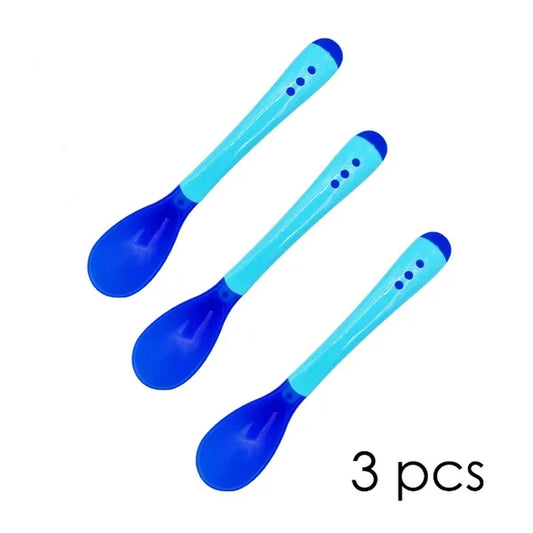
Starting your baby on solid foods marks an exciting developmental milestone that requires the right feeding equipment to ensure safety, success, and minimal stress for both parent and child. Our carefully curated collection of best feeding sets for starting solids features premium options in food-grade silicone, eco-friendly wheat straw, and practical polypropylene materials—all completely BPA-free and designed specifically for babies aged 6 months and older. Each feeding set in this collection has been selected for its combination of safety certifications, age-appropriate sizing, and practical features that simplify the transition from milk to solids. Whether you're looking for complete 3-piece sets with bowls, spoons, and forks, sealed storage containers for meal prep convenience, or specialized items like leakproof training cups and antibacterial bottles, you'll find pediatrician-approved options that support your baby's feeding journey. These feeding sets accommodate various feeding philosophies including traditional spoon-feeding, baby-led weaning, and combination approaches, while features like microwave-safe construction, dishwasher compatibility, and adorable designs make daily feeding routines easier and more enjoyable for the entire family.
What should you look for in baby feeding sets for starting solids?
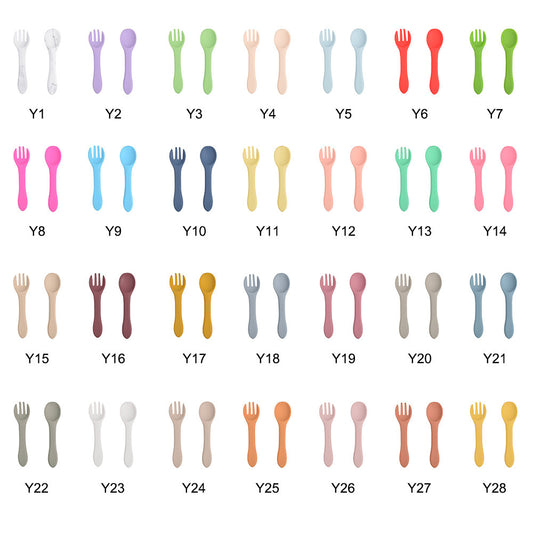
When selecting feeding sets for your baby's solid food journey, prioritize safety-certified, food-grade materials that are completely free from BPA, phthalates, and other harmful chemicals. The best feeding sets feature appropriately sized bowls (typically 60-240ml) that accommodate small portions suitable for babies aged 6 months and older. Look for sets that include ergonomically designed baby spoons and forks with soft, gentle edges that protect delicate gums while encouraging self-feeding skills. Practical features like sealed lids for storage, microwave-safe construction for easy reheating, and dishwasher compatibility significantly simplify daily feeding routines. Additionally, consider sets with suction bases or non-slip features to minimize spills as your baby learns to eat independently. Temperature-sensitive materials or color-changing indicators can help prevent burns from hot foods, while textured handles on utensils support your baby's developing grip strength and motor coordination.
Frequently Asked Questions
What do most pediatricians recommend as a baby's first solid food?
Most pediatricians recommend starting with iron-fortified infant cereal (particularly rice, oatmeal, or barley cereal) mixed with breast milk or formula as baby's first solid food around 6 months of age. Single-ingredient pureed vegetables like sweet potato, butternut squash, or carrots are also excellent first foods, as are pureed fruits such as banana, avocado, or apple. The American Academy of Pediatrics emphasizes introducing one new food at a time, waiting 3-5 days before adding another to monitor for allergic reactions. Recent guidelines also encourage early introduction of common allergens like peanut butter (thinned with breast milk), eggs, and fish within the first year to potentially reduce allergy risk. Regardless of which food you choose first, ensure it's served at an appropriate consistency—smooth and thin initially, gradually thickening as your baby develops chewing skills. Always serve first foods in a proper baby feeding bowl with a soft-tipped spoon designed for delicate gums.
What is the 4 day rule for solids?
The 4-day rule (sometimes called the 3-5 day wait rule) is a pediatrician-recommended guideline for introducing new solid foods to babies. This approach requires parents to introduce only one new single-ingredient food at a time and wait 4 days before introducing another new food. During this waiting period, parents should monitor their baby for any signs of food allergies or sensitivities, including rashes, hives, vomiting, diarrhea, excessive gas, or breathing difficulties. This systematic method makes it easier to identify which specific food caused a reaction if one occurs. The 4-day rule is particularly important when introducing common allergens like eggs, dairy, wheat, soy, fish, shellfish, tree nuts, and peanuts. By maintaining a food diary and using dedicated feeding sets with portion-appropriate bowls, parents can carefully track their baby's solid food journey while ensuring each new food is properly tested. This methodical approach builds a safe, diverse diet foundation and helps parents feel confident about their baby's nutritional progression.
Is silicone or bamboo plates better for babies?
Silicone plates generally offer superior advantages over bamboo for babies starting solids, though both have merits. Food-grade silicone is completely non-toxic, BPA-free, and can withstand extreme temperatures from freezer to microwave (typically -40°C to 230°C) without degrading or leaching chemicals. Silicone's flexibility makes it virtually unbreakable when dropped—an inevitable occurrence during self-feeding—and its soft material is gentler on baby's emerging teeth and sensitive gums. Many silicone plates feature suction bases that adhere to high chairs, reducing spills and frustration. Additionally, silicone resists staining, doesn't retain odors, and sterilizes easily in boiling water or dishwashers. Bamboo plates, while eco-friendly and aesthetically pleasing, have some limitations: they cannot be microwaved, may crack or splinter with repeated use, can harbor bacteria in scratches, and often contain binding resins that may include melamine or other additives. However, wheat straw plates (an alternative to bamboo) offer similar environmental benefits with improved durability and safety. For babies just starting solids, silicone's safety profile, durability, and practical features make it the optimal choice for daily feeding.
What material is best for a feeding set?
Food-grade silicone stands out as the best overall material for baby feeding sets due to its exceptional safety profile, durability, and versatility. Medical-grade silicone is hypoallergenic, completely free from BPA, PVC, phthalates, and lead, making it the safest choice for babies' developing systems. It withstands temperatures from -40°C to 230°C, allowing safe use in freezers, microwaves, and dishwashers without chemical leaching or material degradation. Silicone's natural flexibility prevents breakage, while its non-porous surface resists bacterial growth and doesn't retain food odors or stains. For environmentally conscious parents, wheat straw feeding sets offer an excellent alternative—these biodegradable, plant-based products are naturally antimicrobial, lightweight, and free from synthetic chemicals while maintaining adequate durability for toddler use. PP (polypropylene) feeding sets provide a budget-friendly option with good heat resistance and BPA-free construction, ideal for families needing multiple sets or sealed storage containers. Avoid materials like melamine (contains formaldehyde), low-grade plastics (may contain harmful additives), and untreated wood or bamboo (can harbor bacteria). Ultimately, choose based on your priorities: silicone for maximum safety and longevity, wheat straw for sustainability, or PP for practical functionality and value.
When should babies start using feeding sets with utensils?
Babies can begin using feeding sets with utensils around 6 months of age when they start solid foods, though they won't master self-feeding until 12-18 months. Introducing baby-safe spoons and forks early helps develop fine motor skills, hand-eye coordination, and feeding independence even before they can effectively use them. Start by offering a baby spoon during meals so your infant can explore, hold, and bring it to their mouth while you continue spoon-feeding with a separate utensil. Around 9-12 months, babies typically develop the pincer grasp and can begin scooping soft foods, though expect plenty of mess as they learn. Choose feeding sets with short, chunky handles designed for tiny hands, soft silicone tips that protect gums, and curved designs that make scooping easier. Many babies show readiness by grabbing at spoons during feeding, demonstrating interest in self-feeding, or refusing to be fed by parents. Complete feeding sets that include appropriately sized bowls, baby-friendly utensils, and sippy cups create a comprehensive system that supports your baby's developmental progression from purees to finger foods to independent eating. Remember that learning to use utensils is a gradual process—patience and the right tools make all the difference.