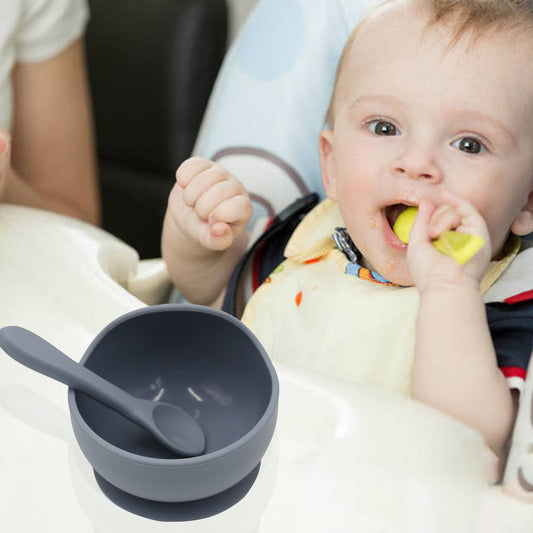
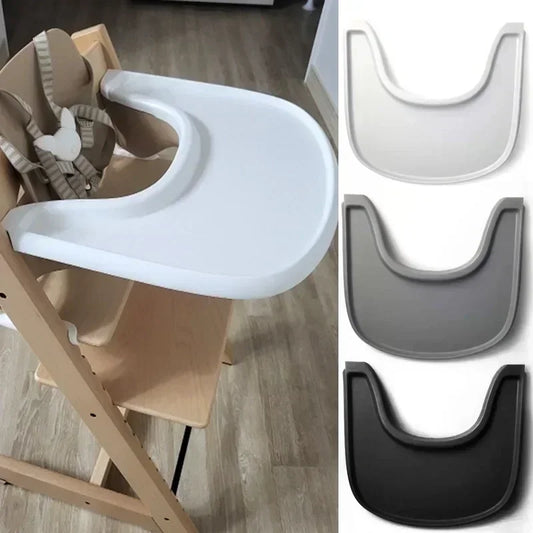
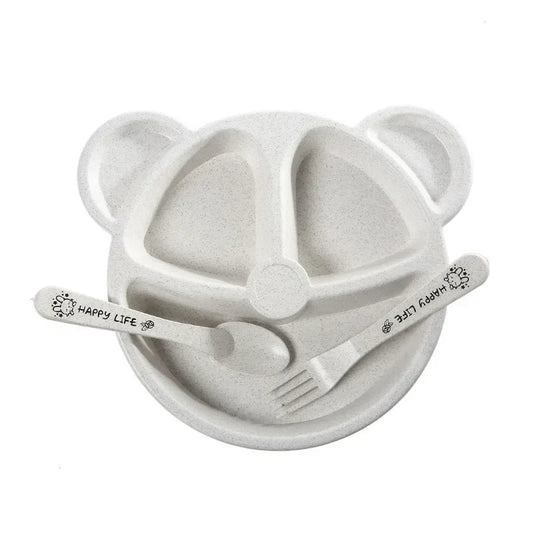
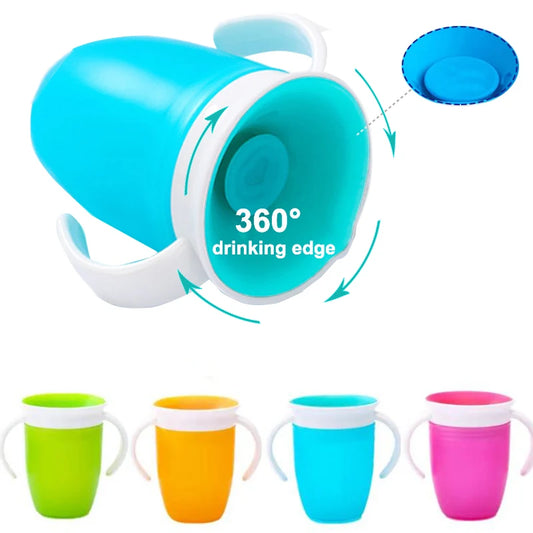
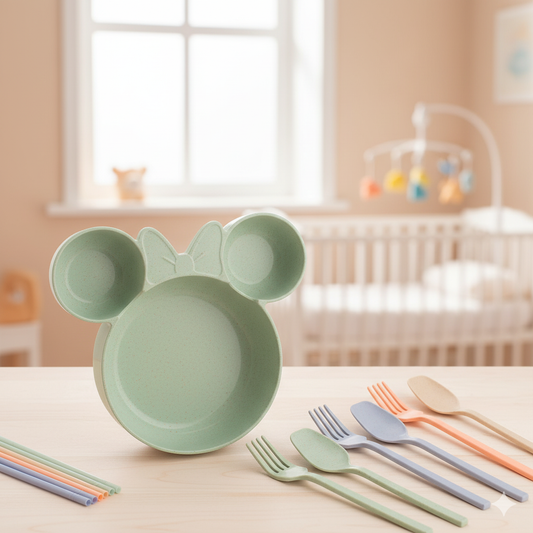
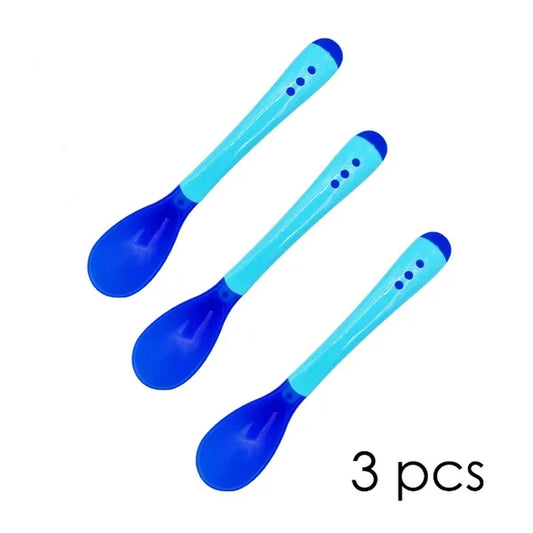
Finding the perfect microwave safe baby bowls transforms mealtime from stressful to seamless, allowing you to quickly reheat nutritious meals while ensuring your little one's safety. Our carefully curated collection features premium feeding solutions crafted from food-grade materials including BPA-free polypropylene, heat-resistant silicone, and eco-friendly wheat straw composites—all designed to withstand microwave temperatures without compromising quality or releasing harmful chemicals. Whether you're seeking compact 60ml bowls for first foods, divided plates for balanced toddler meals, or complete feeding sets with matching utensils, each product combines practical functionality with child-friendly designs. From suction-base plates that stay put during enthusiastic self-feeding sessions to sealed storage bowls that transition effortlessly from refrigerator to microwave to high chair, these feeding essentials simplify your daily routine while supporting your child's developmental milestones. Discover durable, easy-to-clean options that busy parents trust for safe, convenient meal preparation and serving.
What should you look for in microwave safe baby bowls?
When selecting microwave safe baby bowls, prioritize food-grade materials that are explicitly labeled as microwave-safe, such as BPA-free polypropylene (PP), food-grade silicone, or certified wheat straw composites. The bowl should have clear manufacturer guidelines indicating maximum microwave temperatures and recommended heating times. Look for products with stable, non-slip bases or suction features that prevent tipping during use. The bowl's design should include smooth edges and appropriate sizing for your baby's age and portion needs—typically 60-240ml for infants and toddlers. Heat-resistant handles or cool-touch exteriors are valuable features that protect little hands from hot surfaces. Additionally, ensure the bowls are free from harmful chemicals including phthalates, lead, and PVC. Sealed or covered options are particularly useful for storing prepared meals and reheating without transferring to another container, reducing dish usage and maintaining food freshness.
Frequently Asked Questions
Can you microwave baby bowls?
Yes, you can microwave baby bowls that are specifically labeled as microwave-safe. Food-grade materials like polypropylene (PP) plastic, silicone, and certain wheat straw composites are designed to withstand microwave temperatures without releasing harmful chemicals or warping. Always check the manufacturer's label or product specifications for the microwave-safe symbol before heating. When microwaving baby bowls, use medium power settings, heat in short intervals (30-60 seconds), and stir food thoroughly to eliminate hot spots that could burn your baby's mouth. Avoid microwaving bowls with metallic decorations, certain painted designs, or materials not explicitly marked as microwave-safe. Remove any lids or covers that aren't microwave-rated, and always test the temperature of both the bowl and food before serving to your child.
Is bamboo or silicone better for babies?
Silicone is generally better than bamboo for babies, especially when microwave use is a priority. Food-grade silicone offers superior heat resistance (withstanding temperatures from -40°F to 446°F), making it ideal for microwave reheating, freezing, and dishwasher cleaning. Silicone is non-porous, preventing bacterial growth, and maintains its integrity through hundreds of wash cycles without cracking or harboring odors. It's also hypoallergenic and completely free from BPA, phthalates, and other harmful chemicals. While bamboo is an eco-friendly option that's naturally antimicrobial, bamboo baby products are typically bamboo fiber mixed with melamine or corn starch binders, which may not be microwave-safe and can degrade over time with repeated washing. Bamboo products can also crack or splinter with heavy use. For durability, safety, and versatility—particularly microwave compatibility—silicone is the superior choice for baby feeding products.
Can plastic kids bowls go in the microwave?
Plastic kids bowls can go in the microwave only if they are made from microwave-safe plastics and clearly labeled as such. Look for bowls made from polypropylene (PP #5) or other food-grade plastics with the microwave-safe symbol on the bottom. These materials are specifically formulated to withstand microwave heat without melting, warping, or leaching chemicals into food. Never microwave plastic bowls made from polystyrene (#6), PVC (#3), or those without clear microwave-safe labeling, as these can release harmful substances when heated. Even with microwave-safe plastic bowls, follow best practices: avoid heating fatty or sugary foods that reach higher temperatures, use medium power settings, heat in short intervals, and inspect bowls regularly for signs of wear, discoloration, or damage. Replace any plastic bowls that show cracks, cloudiness, or warping, as these indicate material breakdown that could compromise safety.
Are vital baby bowls microwave safe?
Many Vital Baby brand bowls are microwave safe, but this depends on the specific product line and materials used. Vital Baby manufactures various feeding products using different materials including polypropylene plastic, silicone, and bamboo fiber composites. Their PP plastic bowls and silicone products typically feature microwave-safe labeling, while bamboo-based items may have restrictions. To confirm whether your specific Vital Baby bowl is microwave safe, check the product packaging, the bottom of the bowl for the microwave-safe symbol (usually depicted as wavy lines inside a square), or consult the manufacturer's care instructions. When in doubt, contact Vital Baby customer service or visit their official website for product-specific guidance. If you're purchasing new microwave-safe baby bowls and want guaranteed compatibility, look for products with clear microwave-safe certifications and materials like food-grade PP or silicone that are universally recognized as safe for microwave use.
What temperature can microwave safe baby bowls withstand?
Microwave safe baby bowls typically withstand temperatures between 212°F to 446°F (100°C to 230°C), depending on the material. Food-grade silicone baby bowls offer the highest heat resistance, safely handling temperatures up to 446°F (230°C), making them suitable for microwave, oven, and dishwasher use. Polypropylene (PP) plastic bowls are generally safe up to 212-248°F (100-120°C), which is adequate for standard microwave reheating of baby food. Wheat straw composite bowls typically handle temperatures around 212°F (100°C). However, it's important to note that microwave-safe doesn't mean the bowl can be heated empty or exposed to extreme temperatures indefinitely. Always follow manufacturer guidelines for maximum heating times and power levels. The food inside may reach higher temperatures than the bowl itself, so always stir thoroughly and test temperature before serving. Repeated exposure to high heat can eventually degrade any material, so inspect your baby bowls regularly and replace them if you notice warping, discoloration, or unusual odors.