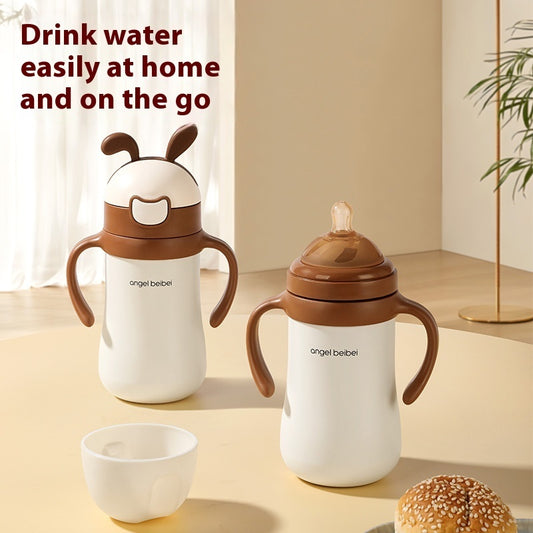
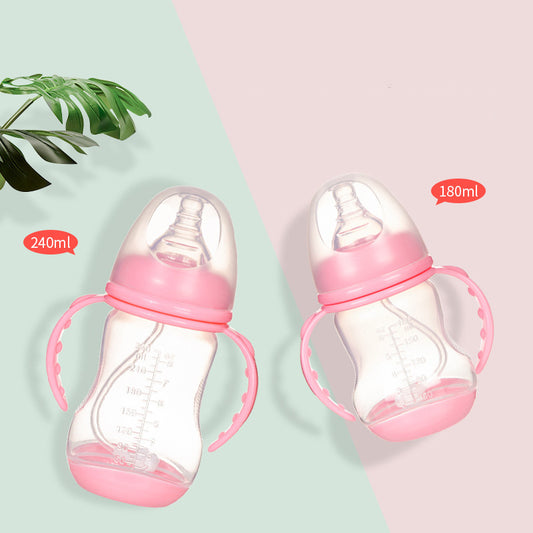
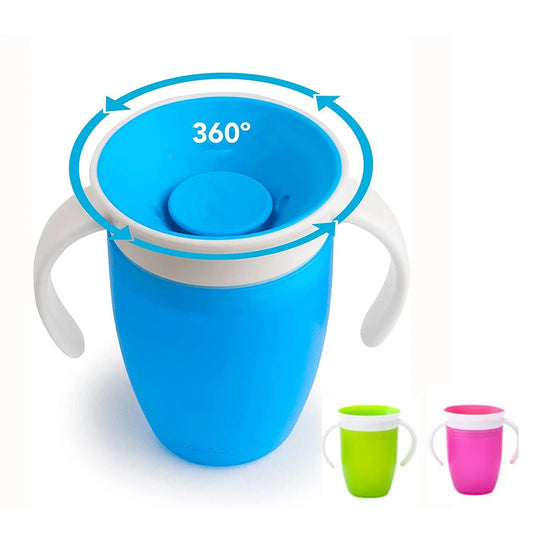
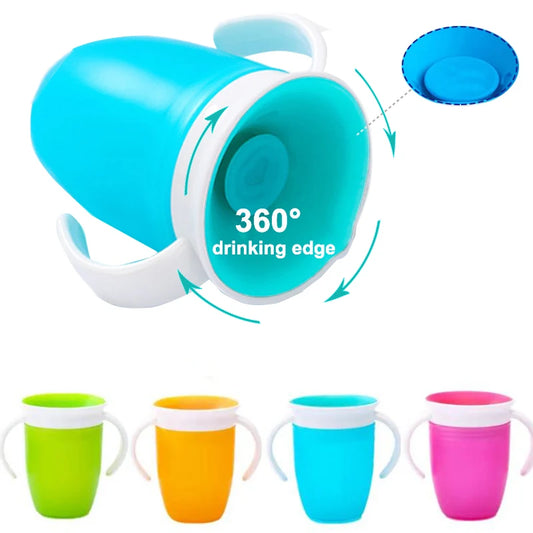
Finding the best sippy cup for your 1-year-old marks an important milestone in your child's development journey from bottle to independent drinking. At this crucial stage, the right sippy cup does more than just prevent spills—it supports healthy oral development, builds fine motor skills, and fosters independence during mealtimes. Our carefully curated collection features premium sippy cups and training cups designed specifically for toddlers aged 1-2 years, each selected for safety, functionality, and developmental appropriateness. From innovative 360° rotating cups that promote natural drinking motions to ergonomic straw-style bottles with anti-colic features, every product meets rigorous safety standards with BPA-free, non-toxic materials. Whether you're transitioning from breastfeeding or bottle-feeding, our selection includes options with comfortable handles for developing grip strength, leakproof designs for mess-free learning, and easy-to-clean construction for busy parents. Discover sippy cups made from eco-friendly wheat straw, temperature-retaining stainless steel, and soft food-grade silicone—all crafted to make your toddler's drinking experience safe, comfortable, and developmentally beneficial. Shop our collection to find the perfect sippy cup that combines pediatric and dental expert recommendations with practical, parent-approved features that make daily hydration easier for both you and your growing toddler.
What should you look for in sippy cups for 1 year olds?
When selecting sippy cups for your 1-year-old, prioritize safety, functionality, and developmental appropriateness. The ideal sippy cup should be made from non-toxic, BPA-free materials such as food-grade silicone, stainless steel, or wheat straw composite. Look for leakproof designs with secure lids to prevent spills during your toddler's active exploration phase. Handles are essential at this age, as they provide the grip stability needed for developing motor skills. The cup should have an appropriate capacity (180-240ml is ideal) to avoid being too heavy when filled. Easy-to-clean designs with minimal parts make daily maintenance simpler for busy parents. Additionally, consider cups that support healthy oral development—360° drinking edges or soft silicone straws are preferable to hard spouts that can affect tooth alignment. Anti-colic features like vented straws help reduce air intake, minimizing gas and discomfort during drinking.
Frequently Asked Questions
What kind of sippy cup should a 1 year old use?
A 1-year-old should use a sippy cup with handles, a leakproof design, and features that support healthy oral development. The best options include 360° rotating cups that allow drinking from any edge of the rim, promoting natural tongue positioning and preventing dental issues. Straw-style sippy cups are also excellent choices as they encourage proper swallowing patterns and oral motor development. Look for cups made from safe materials like food-grade silicone, stainless steel, or BPA-free plastic alternatives such as wheat straw composite. The cup should have a capacity of 180-240ml—large enough for adequate hydration but not so heavy that it's difficult for little hands to manage. Double handles provide the grip support needed at this developmental stage. Avoid traditional hard-spouted sippy cups when possible, as prolonged use can affect tooth alignment and palate development. The ideal sippy cup for a 1-year-old makes the transition from bottle to regular cup easier while maintaining spill protection during this messy learning phase.
What sippy cups do dentists recommend?
Dentists strongly recommend sippy cups that minimize negative impacts on oral development and dental health. The top recommendations include 360° spoutless cups that allow children to drink from any edge, mimicking the natural rim of a regular cup while promoting proper tongue positioning and swallowing patterns. Straw-style sippy cups are also dentist-approved because the straw placement encourages liquid to bypass the front teeth, reducing sugar exposure that can lead to tooth decay. Dentists advise against traditional hard-spouted sippy cups for prolonged use, as constant sucking on hard spouts can cause similar dental issues to pacifiers, including misaligned teeth, overbite, and palate changes. The American Dental Association suggests transitioning children away from bottles by 12-18 months and using sippy cups only as a temporary bridge to regular cups. Dentists also recommend cups that encourage upright drinking positions rather than tipping back, as this reduces liquid pooling around teeth. Look for cups with soft silicone components rather than hard plastic spouts, and always fill sippy cups with water between meals rather than sugary drinks or milk to protect developing teeth from prolonged sugar exposure.
Should a 1 year old use a straw cup?
Yes, a 1-year-old can absolutely use a straw cup, and many pediatric specialists actually recommend them as an excellent option for this age group. Straw cups offer several developmental benefits: they strengthen oral motor skills by engaging different muscles than bottle feeding, promote tongue retraction which supports speech development, and encourage a more mature swallowing pattern. Using a straw cup helps prevent the tongue thrust pattern that can develop from prolonged bottle or traditional sippy cup use. From a dental perspective, straw cups are beneficial because the liquid bypasses the front teeth, reducing the risk of tooth decay compared to spouted cups where liquid pools around teeth. The sucking action required for straw drinking also differs from bottle sucking, making it a helpful transitional tool. When introducing a straw cup to a 1-year-old, choose one with a soft silicone straw, handles for easy gripping, and a weighted or anti-colic straw design that allows drinking from any angle. Start with water to make learning fun and mess-free. Many babies can master straw drinking between 9-12 months with practice. Straw cups with leakproof valves and 180-240ml capacity are ideal for this age group, providing independence while minimizing spills during the learning process.
Should a 2 year old be drinking out of a sippy cup?
While a 2-year-old can still use a sippy cup, pediatric experts recommend beginning the transition to regular open cups around this age. Sippy cups serve as useful training tools and spill-prevention devices, but they shouldn't become a long-term habit. The American Academy of Pediatrics suggests children should be weaned from bottles by 18 months and transitioned away from sippy cups by age 2-3 to support optimal oral and speech development. At age 2, children have typically developed sufficient motor control to begin drinking from regular cups with supervision, though sippy cups remain practical for travel, car rides, or situations where spills would be problematic. If your 2-year-old still uses sippy cups, opt for the most developmentally appropriate designs: 360° spoutless cups that mimic regular cup drinking, or straw cups that promote healthy oral patterns. Avoid prolonged use of traditional hard-spouted sippy cups, as they can impact dental alignment and speech development. Limit sippy cup use to meal and snack times rather than allowing all-day sipping, which increases tooth decay risk. Use sippy cups only for water between meals, reserving milk for mealtimes in regular cups when possible. The goal at age 2 is gradual independence with open cup drinking while maintaining sippy cups as a practical backup option rather than the primary drinking method.
How do you clean and maintain sippy cups properly?
Proper cleaning and maintenance of sippy cups is crucial for your child's health, as these items can harbor bacteria, mold, and mildew in hard-to-reach areas. After each use, disassemble the sippy cup completely, removing all valves, straws, and gaskets. Rinse all components immediately with warm water to prevent milk or juice residue from drying and creating bacterial growth. Wash all parts with hot, soapy water using a bottle brush for the cup interior and a straw brush for narrow components. Pay special attention to valve mechanisms and threading where liquid can become trapped. For thorough sanitization, sippy cups should be sterilized at least once daily—either by boiling for 5 minutes, using a steam sterilizer, or running through a dishwasher's sanitize cycle if the materials are dishwasher-safe. Inspect valves and silicone components regularly for signs of wear, discoloration, or mold, replacing them immediately if compromised. Allow all parts to air dry completely on a clean drying rack before reassembling to prevent moisture-related bacterial growth. Stainless steel sippy cups resist staining and odor absorption better than plastic alternatives. Store sippy cups disassembled in a clean, dry location. Replace sippy cups every 3-6 months or sooner if showing signs of damage, as cracks and scratches can harbor bacteria that regular cleaning cannot eliminate.