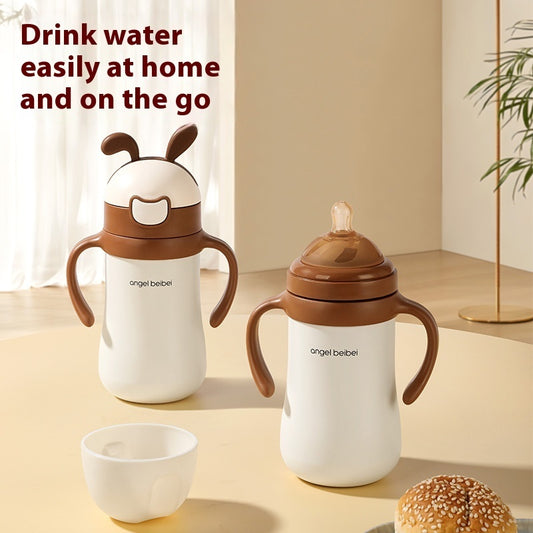
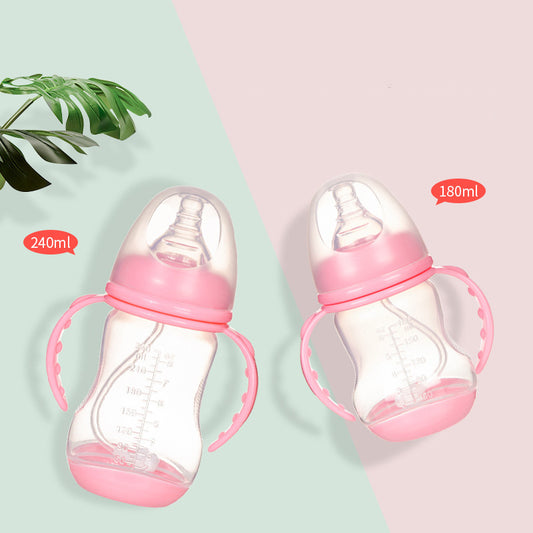
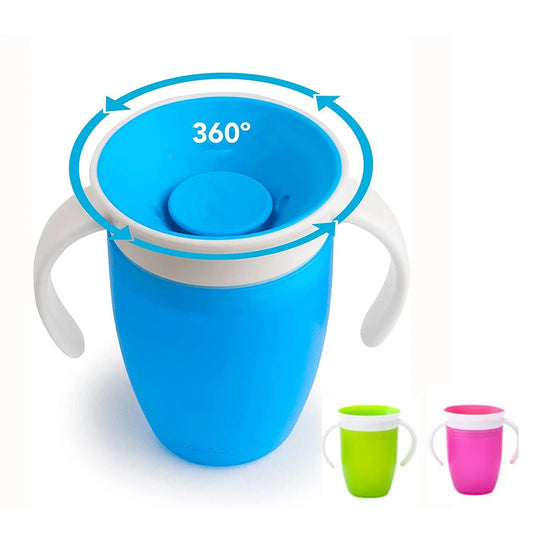
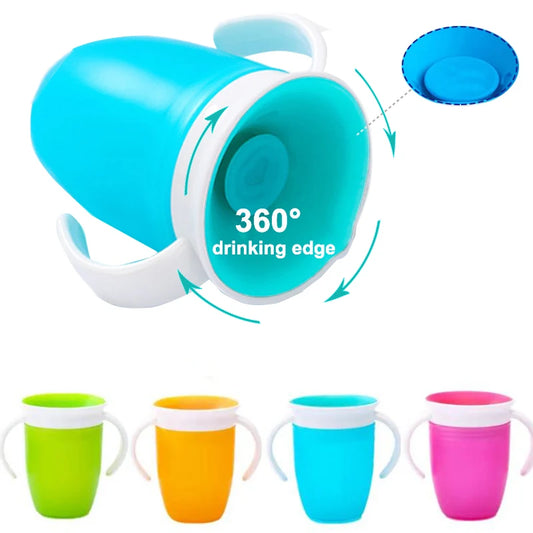
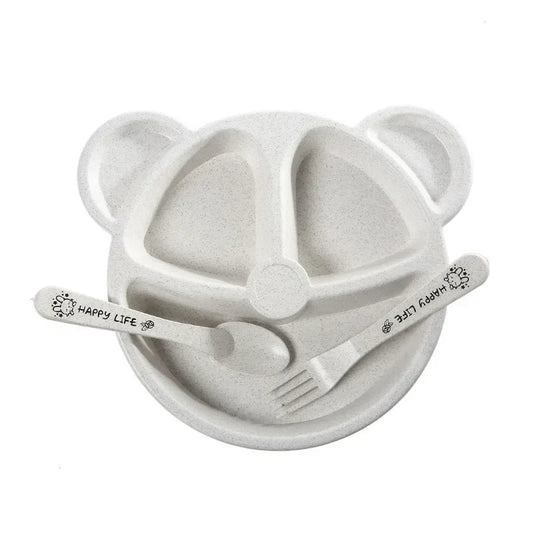
Finding the best spill proof cups for 2 year olds transforms mealtime from a stressful, mess-filled ordeal into an opportunity for your toddler to develop independence and confidence. At age two, children are rapidly developing fine motor skills and asserting their desire to do things themselves, making this the perfect time to provide cups that balance spill protection with developmental appropriateness. Our carefully curated collection features premium leakproof cups, 360° rotating training cups, and ergonomic straw bottles specifically designed for the unique needs of 2-year-old toddlers. Whether you're navigating the transition from bottles to cups, seeking mess-free solutions for daycare, or looking for travel-friendly options that won't leak in your diaper bag, you'll find expertly selected products that combine safety, functionality, and developmental benefits. Each cup in our collection features BPA-free materials, easy-grip handles sized for small hands, and truly leakproof designs that withstand drops, throws, and being turned upside down—all common behaviors at this energetic age. From silicone training cups with double handles to stainless steel bottles with anti-colic technology, these spill proof solutions help your toddler stay hydrated while protecting your floors, car seats, and sanity from constant cleanups.
What should you look for in spill proof cups for 2 year olds?
When selecting spill proof cups for 2 year olds, prioritize several essential features to ensure safety, functionality, and developmental appropriateness. First, look for truly leakproof designs with secure lids and valve systems that prevent spills even when the cup is turned upside down or thrown—common behaviors at this age. The cup should feature easy-grip handles positioned for small hands, promoting independent drinking and fine motor skill development. Material safety is paramount; choose BPA-free, food-grade silicone, stainless steel, or PP plastic that's non-toxic and easy to clean. A 240ml capacity is ideal for toddlers, providing adequate hydration without being too heavy when full. Consider cups with 360° drinking edges or straw mechanisms that support proper oral development and make transitioning from bottles easier. Finally, opt for cups with minimal parts for easy disassembly and thorough cleaning, as hygiene is crucial for this age group.
Frequently Asked Questions
Should a 2 year old be drinking out of a sippy cup?
While 2 year olds can still use sippy cups, pediatricians and speech therapists generally recommend beginning the transition away from traditional sippy cups around this age. Prolonged sippy cup use beyond age 2-3 can potentially impact oral motor development, speech articulation, and dental health. The sucking motion required by many sippy cups is similar to bottle drinking and may contribute to tooth decay if used with sugary drinks. However, spill-proof sippy cups remain practical for certain situations like car rides or bedtime. The key is to start introducing open cups and straw cups during meals while using spill-proof options strategically. By age 2, children should be practicing with regular cups under supervision and using straw-style or 360° cups that promote more mature drinking patterns. The goal is gradual transition rather than abrupt elimination, allowing your toddler to develop proper sipping skills while still managing inevitable spills during the learning process.
What cup should a 2 year old have?
A 2 year old should ideally have a combination of cup types to support developmental progression. The primary cup should be a straw cup or 360° training cup, as these promote proper oral motor skills, tongue positioning, and mature swallowing patterns better than traditional sippy cups. Straw cups require coordinated sucking and swallowing, strengthening oral muscles important for speech development. 360° cups allow drinking from any edge, mimicking regular cups while remaining spill-proof. Additionally, introduce a regular open cup for supervised meal times to practice advanced drinking skills. Look for cups with 240ml capacity, easy-grip handles, and leakproof designs made from safe materials like food-grade silicone, stainless steel, or BPA-free plastic. Having 2-3 cups in rotation ensures you always have a clean option available. For nighttime or travel, a completely sealed spill-proof cup prevents messes, while straw and open cups can be used during active learning times at home. This variety supports skill development while accommodating practical parenting needs.
What sippy cups do speech therapists recommend?
Speech therapists typically recommend straw cups and 360° training cups over traditional hard-spout sippy cups for toddlers. Straw cups are the gold standard because they promote proper tongue positioning, strengthen oral motor muscles, and encourage mature swallowing patterns essential for clear speech development. When drinking from a straw, the tongue retracts and elevates—movements that support speech sound production. Speech therapists often suggest weighted or regular straw cups with handles for stability. The 360° cups (also called miracle cups) are second-best, allowing children to drink from any edge by creating suction with their lips, which promotes lip rounding and closure important for sounds like 'w,' 'o,' and 'u.' Therapists advise against prolonged use of hard-spout sippy cups because the spout rests on the tongue, potentially reinforcing immature tongue-thrust patterns that can affect articulation and contribute to speech delays. For 2 year olds, transitioning to straw cups while also practicing with open cups during meals provides the best support for both speech development and independent drinking skills. Look for cups with soft, flexible straws and leak-proof valves that still allow easy liquid flow.
Are sippy cups or straw cups better for toddlers?
Straw cups are generally better for toddlers from a developmental perspective, particularly for children aged 18 months and older. Research and recommendations from pediatric dentists, speech therapists, and occupational therapists consistently favor straw cups over traditional hard-spout sippy cups. Straw cups promote superior oral motor development by encouraging proper tongue retraction, lip closure, and coordinated sucking-swallowing patterns that support speech articulation and feeding skills. They also position the liquid toward the back of the mouth, reducing contact with front teeth and lowering the risk of dental cavities compared to sippy cups where liquid pools around teeth. Additionally, straw drinking strengthens the muscles needed for mature eating and speaking. Traditional sippy cups, while convenient for preventing spills, can encourage tongue thrusting and prolonged bottle-like sucking patterns that may delay oral development. However, sippy cups aren't entirely problematic when used temporarily during the transition from bottles or for specific situations requiring maximum spill protection. The ideal approach for toddlers is using straw cups as the primary drinking vessel, introducing open cups during supervised meals, and reserving spill-proof sippy cups only for travel, bedtime, or situations where leaks would be particularly problematic. This balanced strategy supports development while acknowledging practical parenting realities.
How do I transition my 2 year old from sippy cup to regular cup?
Transitioning a 2 year old from sippy cups to regular cups is a gradual process that typically takes several weeks to months. Start by introducing an open cup during supervised meal times when your child is seated at the table, initially filling it with just 1-2 ounces of water to minimize spills. Make it fun by choosing colorful cups with favorite characters and praising all attempts, even messy ones. Use straw cups and 360° training cups as intermediate steps—these bridge the gap by requiring more mature drinking skills while still offering spill protection. Practice the 'sip and set down' technique, teaching your child to take a drink and immediately place the cup back on the table rather than walking around with it. Reduce sippy cup availability gradually, starting by eliminating them at meal times, then snack times, and finally reserving them only for car rides or bedtime. Model proper drinking from regular cups yourself and involve your toddler in choosing their 'big kid' cups to increase motivation. Accept that spills are part of learning—keep cleanup supplies handy and respond calmly to accidents. By age 3, most children can successfully use regular cups for all drinks, though spill-proof options may still be practical for certain situations. Consistency and patience are key to successful transition.