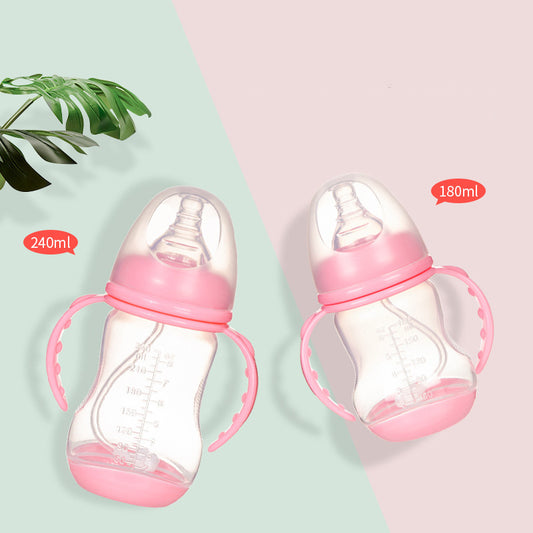
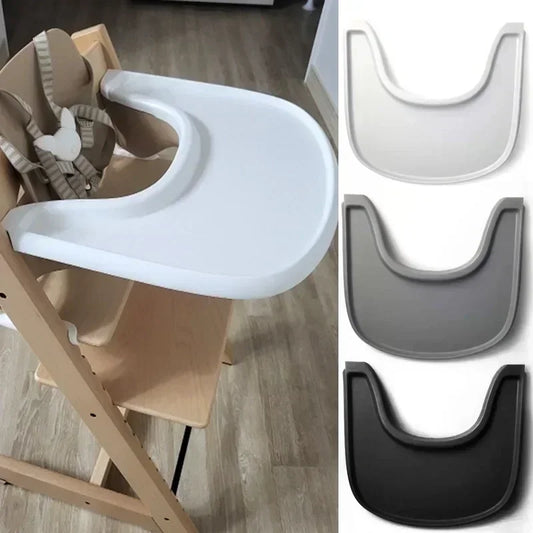
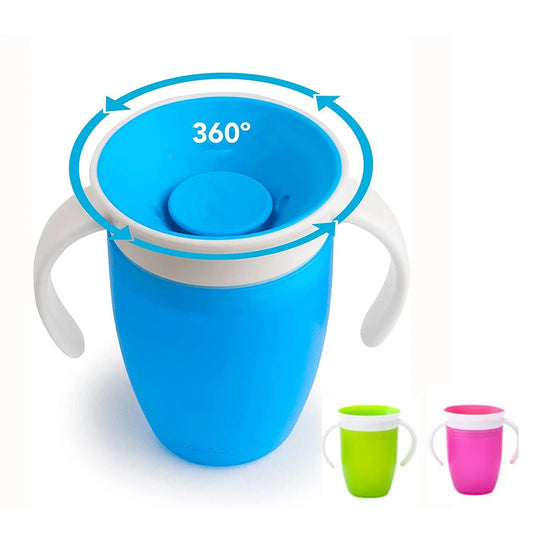
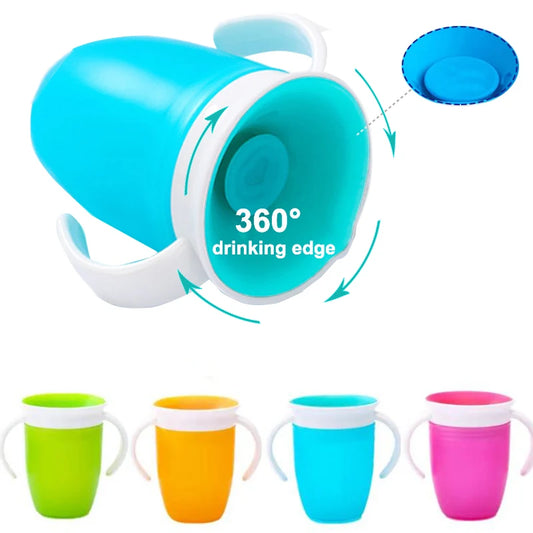
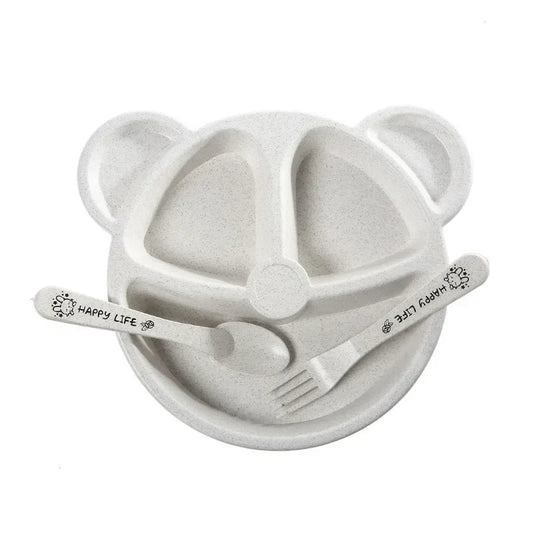
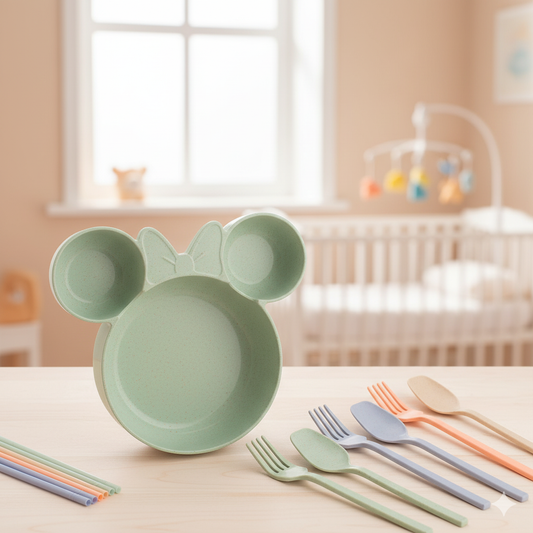
Finding the best training cups for toddlers is a crucial milestone in your child's journey toward independent drinking. The right training cup does more than just prevent spills—it supports proper oral motor development, encourages self-feeding skills, and makes the transition from bottles to regular cups smoother for both parent and child. Our carefully curated collection features innovative designs including 360° rotating cups that allow drinking from any edge, leakproof silicone options with double handles for easy gripping, and eco-friendly wheat straw feeding sets that make mealtime both safe and sustainable. Whether you're introducing your 12-month-old to their first sippy cup or helping your 2-year-old master straw drinking, you'll find expertly designed solutions that pediatricians and speech therapists recommend. Each product in our collection prioritizes safety with BPA-free materials, offers practical features like leakproof seals and ergonomic handles, and supports the developmental needs of toddlers aged 1-3 years. From complete feeding sets with coordinating bowls and utensils to specialized anti-colic bottles with handles, these training cups combine functionality with child-friendly designs that make learning to drink an enjoyable experience. Explore our selection to find the perfect training cup that matches your toddler's current abilities and grows with them through each developmental stage.
What should you look for in training cups for toddlers?
When selecting training cups for toddlers, prioritize safety, functionality, and developmental appropriateness. Look for BPA-free materials like food-grade silicone, wheat straw, or safe PP plastic that won't leach harmful chemicals. Leakproof designs are essential to minimize mess during the learning phase and encourage independent use. Ergonomic features such as double handles help toddlers develop proper grip strength and hand-eye coordination. The cup's capacity should match your child's age—240ml is ideal for 1-2 year olds. Consider valve-free or 360° drinking edges that promote natural sipping motions rather than sucking, which speech therapists recommend for proper oral motor development. Easy-to-clean designs with minimal parts save time and ensure proper hygiene. Finally, choose cups that grow with your child, offering a smooth transition from bottles to regular cups.
Frequently Asked Questions
What kind of cups should a 2 year old use?
A 2-year-old should ideally be using open cups, straw cups, or transitional cups that promote mature drinking patterns. At this age, children have developed sufficient motor control to handle cups without tight-seal sippy valves. Straw cups are excellent choices as they support proper tongue positioning and oral motor development. 360° training cups offer a middle ground, allowing toddlers to drink from any edge like a regular cup while still providing spill protection. Avoid prolonged use of traditional sippy cups with hard spouts, as these can affect dental development and speech patterns. The goal at age 2 is to closely mimic drinking from a regular cup while still offering some spill protection during the learning process. Look for cups with 240ml capacity, easy-grip handles, and BPA-free materials. Many 2-year-olds can also begin practicing with small open cups during supervised mealtimes.
Are sippy cups or straw cups better for toddlers?
Straw cups are generally considered better for toddlers from a developmental perspective. Drinking from a straw promotes proper tongue positioning, strengthens oral muscles needed for speech, and encourages a more mature swallowing pattern. Straw cups also reduce the risk of dental issues since liquid doesn't pool around the front teeth as it does with traditional sippy cup spouts. However, sippy cups can be useful during the initial transition from bottles (around 12 months) because the spout feels familiar to babies. The key is not to rely on sippy cups long-term. If you choose sippy cups, opt for soft-spouted versions and transition to straw or open cups by 18 months. 360° rotating cups offer a compromise—they function like sippy cups for spill protection but require drinking motions similar to open cups. Ultimately, the best choice depends on your child's age and developmental stage, but most pediatric dentists and speech therapists recommend straw cups over traditional sippy cups for extended use.
What sippy cups do speech therapists recommend?
Speech therapists typically recommend cups that promote proper oral motor development and natural drinking patterns. Their top choices include straw cups, 360° trainer cups, and open cups rather than traditional hard-spout sippy cups. Straw cups are particularly favored because they encourage lip rounding, tongue retraction, and coordinated sucking-swallowing patterns that support speech development. Weighted straw cups are excellent as the straw moves with the liquid, allowing toddlers to drink from any angle. 360° rotating cups are also recommended because they require children to use similar tongue and lip movements as drinking from an open cup, without the spill-valve restriction that can encourage tongue thrusting. Speech therapists advise avoiding sippy cups with valves that require hard sucking, as these can strengthen incorrect tongue patterns and delay the transition to mature drinking. When selecting training cups, look for valve-free options, soft silicone materials, and designs that allow liquid to flow naturally without excessive sucking effort. The goal is to choose cups that facilitate rather than hinder the natural progression from bottle to cup.
What is the best cup for learning to drink?
The best cup for learning to drink depends on your child's age and current abilities, but most experts recommend starting with a small open cup or a double-handled training cup around 6-12 months. For absolute beginners, a 360° rotating sippy cup offers an ideal balance—it teaches the lip and tongue placement needed for open cup drinking while providing spill protection during the learning phase. These cups allow toddlers to drink from any edge by creating a seal with their lips, mimicking real cup drinking. Double-handled cups with 240ml capacity provide stability and control for small hands still developing coordination. Silicone materials are preferable for first cups as they're soft, safe if bitten, and unbreakable. As skills progress, transition to straw cups, which promote excellent oral motor development. Look for leakproof designs with easy-to-clean components and BPA-free materials. The best learning cups grow with your child—starting with maximum support and gradually reducing assistance features. Avoid cups with complicated valve systems that require hard sucking, as these can frustrate beginners and don't teach proper drinking mechanics.
When should I transition my toddler from bottles to training cups?
Pediatricians recommend beginning the transition from bottles to training cups between 12-18 months, with the goal of completely eliminating bottles by age 2. Starting this transition around the first birthday is ideal for several reasons: it prevents over-attachment to bottles, reduces the risk of tooth decay from prolonged bottle use, and supports proper oral development. Begin by replacing one bottle feeding at a time, typically starting with daytime bottles while keeping the morning and bedtime bottles last. Introduce training cups during meals when your toddler is seated and supervised. Choose age-appropriate cups—360° rotating cups or soft-spout sippy cups work well for initial transitions, then move toward straw cups and open cups. Make the process gradual to avoid resistance; some children transition easily within weeks, while others need several months. If your toddler resists, try different cup styles, let them choose their cup, or model drinking from a cup yourself. Remember that prolonged bottle use beyond age 2 can affect dental health, speech development, and eating habits, so staying consistent with the transition timeline is important for your child's overall development.