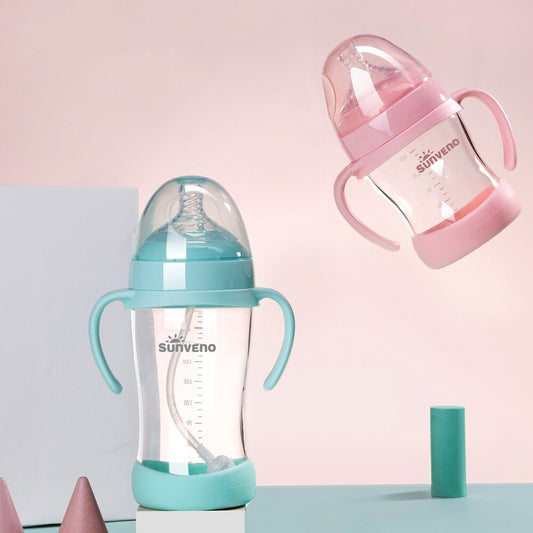
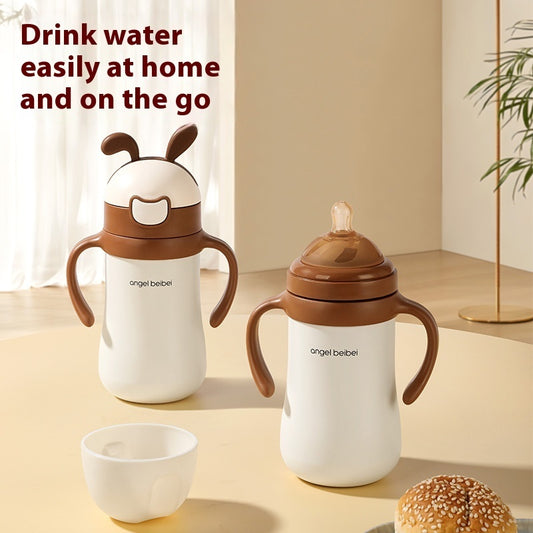
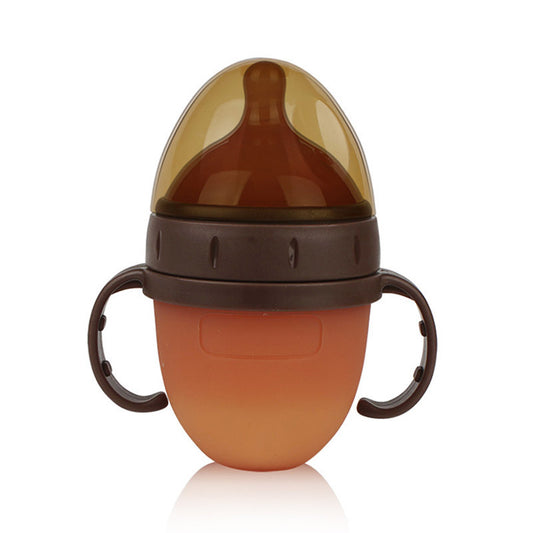
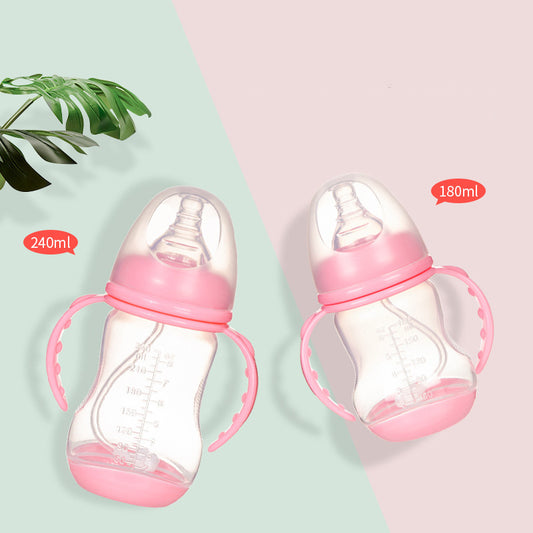
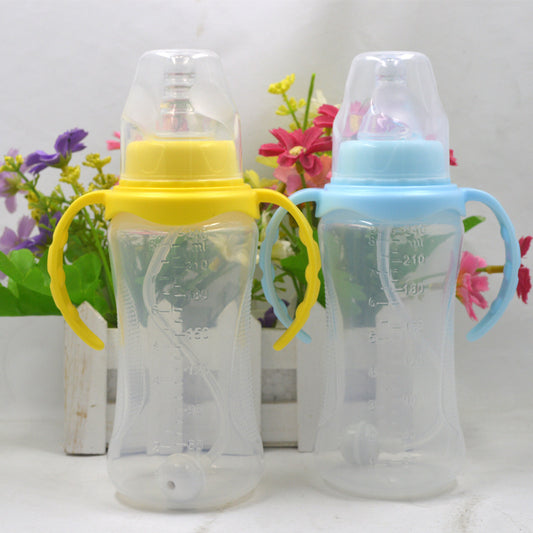
Finding the best wide neck baby bottles for easy cleaning transforms daily feeding routines from a time-consuming chore into a quick, stress-free task. Our carefully curated collection features premium wide mouth bottles designed with busy parents in mind—each product offers effortless access for thorough cleaning while providing superior feeding performance for your baby. Wide neck bottles have revolutionized baby care by combining hygiene convenience with anti-colic technology, making them the preferred choice for both exclusively bottle-fed babies and those transitioning between breast and bottle. Whether you're seeking BPA-free plastic options that are lightweight and shatter-resistant, antibacterial silicone bottles with advanced nano-silver technology, or premium stainless steel designs that maintain temperature, our collection includes solutions for every family's needs. These bottles feature openings wide enough to accommodate your hand or a cleaning brush, eliminating hard-to-reach corners where milk residue typically hides. Beyond cleaning convenience, each bottle in this collection incorporates thoughtful features like anti-colic venting systems to reduce gas and fussiness, ergonomic handles for developing self-feeding skills, and measurement markings for precise formula preparation. We've also included specialized cleaning tools like 360-degree rotating nipple cleaners that make maintaining your wide neck bottles even simpler. Explore our selection to discover bottles that save you time, ensure optimal hygiene, and support your baby's healthy feeding development from newborn through toddler stages.
What should you look for in wide neck baby bottles for easy cleaning?
When selecting wide neck baby bottles for easy cleaning, prioritize bottles with openings of at least 2 inches in diameter, which allows your hand or a bottle brush to reach every corner without struggle. Look for bottles with minimal parts—fewer components mean less time spent disassembling and cleaning. Anti-colic venting systems should be simple to remove and reassemble. Material matters significantly: food-grade silicone and stainless steel resist staining and odor retention better than standard plastic. Choose bottles with smooth interior surfaces without ridges or grooves where milk residue can hide. Transparent or translucent materials help you verify cleanliness at a glance. Finally, ensure the bottle is dishwasher-safe for the top rack, which saves considerable time for busy parents while maintaining proper sanitization standards.
Frequently Asked Questions
Are wide neck bottles better for babies?
Yes, wide neck bottles offer several advantages for babies and parents. The wider opening closely mimics the natural breast shape, making it easier for babies to transition between breastfeeding and bottle feeding. This design promotes a better latch, which reduces air intake and subsequently decreases gas, colic, and spit-up. For parents, the wide mouth design significantly simplifies cleaning—you can easily reach inside with a sponge or brush to remove all milk residue, reducing bacterial growth risks. Wide neck bottles also make formula preparation faster and less messy, as the larger opening prevents powder spills. Additionally, they dry more quickly due to better air circulation, which is crucial for maintaining hygiene between feedings.
What is the #1 pediatrician recommended baby bottle?
While pediatricians don't universally endorse a single brand, they consistently recommend bottles with specific features: anti-colic venting systems, BPA-free materials, and designs that support a natural latch. Wide neck bottles with slow-flow nipples are frequently recommended for newborns because they control milk flow and reduce overfeeding. Pediatricians emphasize choosing bottles that are easy to clean thoroughly, as proper hygiene prevents infections and digestive issues. Bottles made from medical-grade silicone or stainless steel are often preferred for their safety profile and durability. The key recommendation is to select bottles that work for your individual baby—some babies have preferences based on nipple shape, flow rate, or bottle material. Always look for certifications like FDA approval and ensure all components are free from harmful chemicals like BPA, phthalates, and PVC.
Are wide neck bottles better for gas?
Wide neck bottles can be significantly better for reducing gas in babies when they feature proper anti-colic technology. The wider nipple base on these bottles encourages babies to open their mouths wider, creating a better seal that minimizes air swallowing during feeding. Many wide neck bottles incorporate advanced venting systems that direct air away from the milk and into the bottle's back, preventing it from mixing with the liquid your baby consumes. This separation of air and milk is crucial for reducing gas bubbles in your baby's stomach. The easier cleaning associated with wide neck bottles also plays a role—thoroughly cleaned bottles prevent bacterial buildup that can contribute to digestive discomfort. However, the anti-colic features matter more than the wide neck alone, so look for bottles that combine both wide openings and proven venting technology for maximum gas reduction.
What is the easiest bottle for a baby to latch on?
Babies typically latch most easily onto wide neck bottles with breast-shaped nipples that have a gradual slope and wide base. These designs require babies to open their mouths wide, similar to breastfeeding, which creates a natural and comfortable latch. The nipple should be soft and flexible, allowing babies to compress it with their tongue against the roof of their mouth, mimicking the natural feeding motion. Slow-flow nipples are generally easiest for newborns to control, preventing overwhelming milk flow that can cause choking or rejection. Textured nipples with slight ridges can also improve latch by giving babies more to grip. For babies transitioning from breast to bottle, look for nipples labeled as designed for breastfed babies, which typically feature a wider base and more gradual taper. The bottle material also matters—silicone nipples tend to be softer and more skin-like than latex or rubber alternatives, promoting better acceptance and latch quality.
How often should you replace wide neck baby bottles?
Replace wide neck baby bottles every 4-6 months under normal use, or immediately if you notice any signs of wear. Check bottles regularly for cracks, cloudiness, discoloration, or scratches, as these can harbor bacteria even after thorough cleaning. Nipples typically wear out faster than bottles and should be replaced every 2-3 months or when you notice thinning, tears, stickiness, or changes in the flow rate. Silicone bottles and nipples generally last longer than plastic alternatives due to their superior durability and resistance to degradation. If you're using stainless steel bottles, the bottle itself can last for years, but still replace nipples and silicone components on the regular schedule. After any illness, consider replacing nipples and thoroughly sterilizing bottles to prevent reinfection. Always inspect bottles after dishwasher cleaning, as high heat can accelerate wear. Maintaining a rotation of 6-8 bottles helps extend their lifespan by reducing the frequency each bottle is used and cleaned.